Hey there, fellow adventurers and history buffs! It’s incredible, isn’t it, how some places just resonate with a deeper story, a tapestry woven through centuries that often gets overlooked in the quick scroll of travel feeds?
I’ve found that the most memorable journeys aren’t just about ticking off landmarks, but truly understanding the soul of a destination. It’s about peeling back the layers of time to reveal the struggles, triumphs, and defining moments that shaped its very essence.
In our increasingly fast-paced world, where everything feels instantly accessible, there’s a profound joy in slowing down and connecting with the authentic narrative of a nation.
Think about it: isn’t that genuine, insightful discovery precisely what makes a place stick with you, long after you’ve unpacked your suitcase? It’s these kinds of rich, untold stories that not only elevate our travel experiences but also provide a much-needed perspective on the broader global narrative and the enduring spirit of people everywhere.
It’s this deep dive into cultural identity and historical resilience that truly enriches my own adventures, and I’m sure it will yours too. Stepping onto the sun-drenched shores of Malta, you immediately feel enveloped by a history that stretches back millennia, a tiny island nation with a monumental past.
For centuries, this strategic jewel in the Mediterranean was coveted and controlled by powerful empires, each leaving an indelible mark on its landscape and its people.
But beneath the layers of foreign influence, a fierce spirit of independence simmered, culminating in a remarkable journey towards self-determination.
It’s a story of resilience, national pride, and the unwavering will of a people to forge their own destiny. Let’s dive into how this incredible island finally claimed its rightful place on the world stage.
We’ll uncover the exact story together!
In our increasingly fast-paced world, where everything feels instantly accessible, there’s a profound joy in slowing down and connecting with the authentic narrative of a nation.
Think about it: isn’t that genuine, insightful discovery precisely what makes a place stick with you, long after you’ve unpacked your suitcase?
The Allure of an Island Crossroads
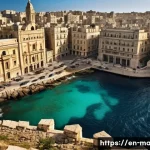
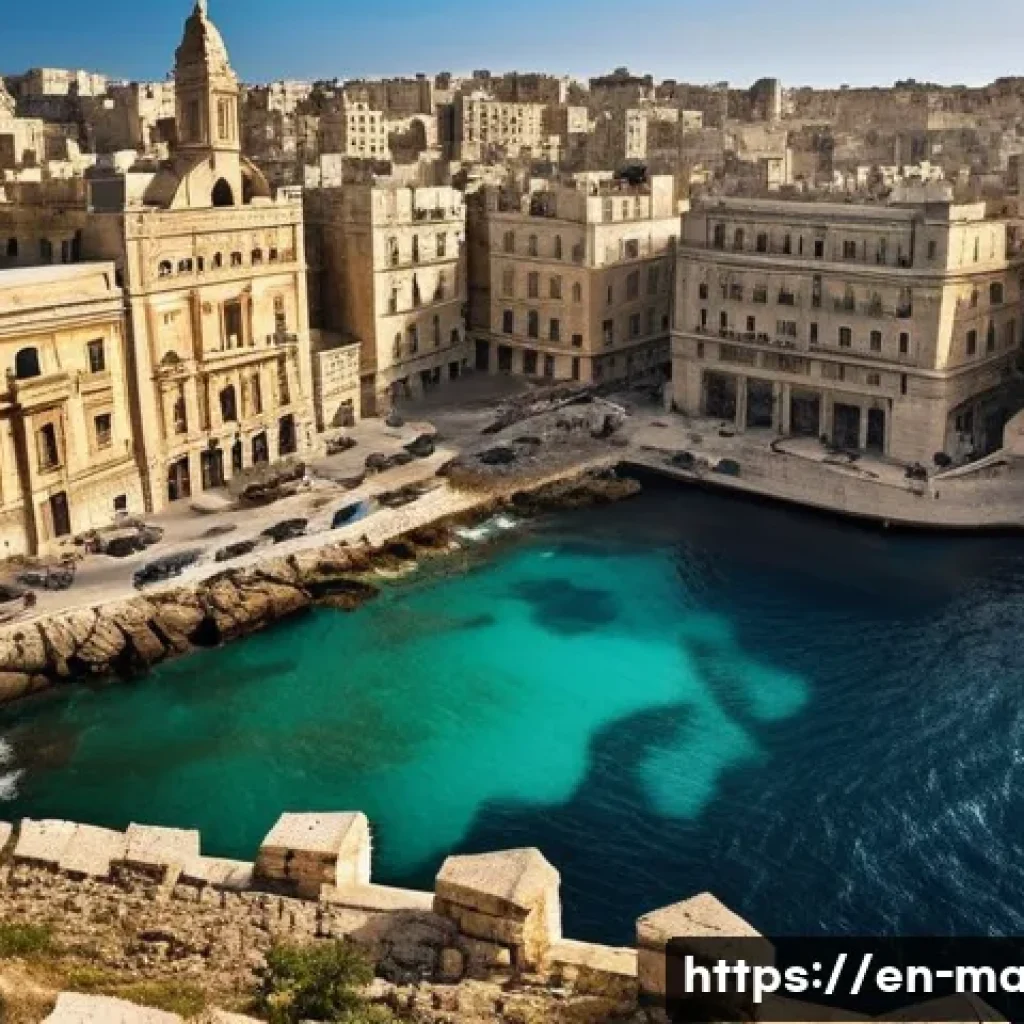
There’s something truly magnetic about Malta, a feeling I got the moment my feet touched its ancient stones. It’s not just a beautiful island; it’s a strategically vital crossroads in the heart of the Mediterranean, a fact that has shaped its destiny for thousands of years. From the Phoenicians who first colonized it around 700 BC, giving it a name that might mean ‘shelter’ or ‘haven,’ to the Romans, Arabs, Normans, and eventually the powerful Knights of St. John, everyone wanted a piece of this sun-kissed rock. It’s fascinating to think that this tiny archipelago, with a population of only about 542,000 today, has been at the center of so many historical tides. Each successive ruler, whether by conquest or grant, left an indelible mark, weaving a complex tapestry of cultures, languages, and architectural styles that you can still see and feel everywhere you go. I mean, just walking through Valletta, you can practically hear the echoes of different eras whispering through the golden limestone.
A Prize in the Mediterranean Chessboard
Malta’s geographical position, nestled between Sicily and North Africa, made it an irresistible prize for any naval power seeking control of the Mediterranean. Imagine a strategic chess game being played out for centuries, and Malta was always that crucial square everyone was fighting for. This central location meant it became a key naval base, a vital link in trade routes, and often, a battleground. For instance, the Knights Hospitaller, who were granted the islands in 1530 by Emperor Charles V, transformed Malta into a formidable fortress against Ottoman expansion, famously repelling the Great Siege in 1565. It truly highlights how this small island has always punched above its weight, constantly defending its existence against much larger forces. This isn’t just abstract history; it feels intensely present when you explore the fortifications and imagine the intensity of those past struggles.
Echoes of Empires Past
The layers of foreign influence on Malta are simply astounding. After the Knights, it was Napoleon’s turn, briefly, in 1798. His reforms, like abolishing feudal rights and slavery, were certainly progressive, but the Maltese people quickly rebelled against French rule. They sought assistance, and that’s when the British stepped in, ultimately making Malta a protectorate in 1800 and then a Crown colony by 1813. I can only imagine the mixed feelings of the Maltese at the time – trading one powerful ruler for another, even if the British initially came as liberators. The British presence, which lasted over 150 years, solidified Malta’s role as a critical naval base, especially after the opening of the Suez Canal in 1869, further integrating it into the vast British Empire.
The Seeds of Self-Rule and a Lingering Dream
Even under British rule, the desire for autonomy never truly faded in Malta. It wasn’t always a smooth relationship, and the Maltese people, with their distinct identity and language, consistently pushed for a greater say in their own affairs. This push for self-governance wasn’t a sudden burst of ambition; it was a slow burn, punctuated by moments of hope and frustration. The British, for their part, often viewed Malta through the lens of imperial defense needs, which sometimes clashed with the aspirations of the local population. When you delve into this period, you realize it wasn’t a simple “us vs. them” but a complex interplay of power, strategy, and a growing sense of national identity. It reminds me that even in the most entrenched systems, the human spirit always yearns for freedom and self-determination.
Early Whispers of Autonomy
While Malta officially became a British colony in 1813, the concept of local autonomy was on the table much earlier. A legislative council was established as early as 1849, marking the initial steps toward Maltese representation. However, these early concessions often fell short of the Maltese people’s desires, and they faced considerable poverty, especially during the late 19th century. It’s easy to look back and judge, but I can sympathize with their frustration; imagine wanting to shape your own future but constantly being told “no” or being given only crumbs of control. The language question, with the British initially favoring English over Italian and eventually establishing both English and Maltese as official languages by 1936, was another point of contention that underscored the cultural struggle for self-expression.
The 1921 Constitution: A Glimmer of Hope
A significant milestone in Malta’s journey was the grant of self-government in 1921. This constitution, though dyarchical (meaning Britain still controlled foreign and military affairs), allowed for a new Maltese legislature to manage local issues. I imagine the excitement, the sense of possibility that must have swept through the island. For the first time, Maltese politicians had a real chance to vie for power, gain administrative experience, and address the common good directly. But alas, this glimmer of hope was short-lived. Due to political disputes, including opposition to replacing Italian with English as the official language, the constitution was revoked in 1933, and Malta reverted to direct colonial rule. It’s a stark reminder of how fragile early democratic gains can be, especially when imperial interests are still at play. It must have felt like a huge setback for those who had worked so hard for it.
Forged in Fire: Malta’s Unyielding Spirit in World War II
If there’s one period that truly cemented Malta’s national identity and accelerated its path to independence, it has to be World War II. When I reflect on Malta’s role, I’m simply awestruck by the sheer resilience and bravery of its people. This tiny island became an unyielding fortress, enduring one of the most intense and prolonged bombing campaigns of the entire war. The Axis powers, recognizing Malta’s strategic importance in disrupting supply lines to North Africa, subjected it to relentless aerial attacks from 1940 to 1942. I can barely comprehend what it must have been like to live through that, constantly under siege, facing shortages of food and supplies. It wasn’t just a military base; it was home to thousands of civilians who faced unimaginable hardship with unwavering courage.
The Nurse of the Mediterranean and the George Cross
Long before WWII, during the First World War, Malta earned the poignant nickname “Nurse of the Mediterranean” due to the large number of wounded soldiers accommodated there. But it was in the second global conflict that its mettle was truly tested. The Maltese people’s heroic resistance against the Axis bombardment was so profound that King George VI awarded the entire island the George Cross in 1942, Britain’s highest civilian decoration, an honor still proudly displayed on Malta’s national flag and coat of arms today. Imagine the pride, but also the immense suffering behind that recognition. This collective bravery didn’t just earn them an award; it solidified a powerful sense of national unity and a moral argument for self-determination that would become impossible for Britain to ignore. It makes me feel a profound sense of respect for their ancestors.
A Springboard for Allied Victory
Malta’s strategic importance during the war wasn’t just about endurance; it was about active contribution to the Allied cause. It served as a vital outpost for British and Allied forces, a crucial base for air and naval operations that disrupted Axis supply routes to North Africa. By late 1942, with the success of Operation Pedestal bringing in much-needed supplies, Malta became a springboard for the Allied invasion of Sicily (Operation Husky) and subsequently mainland Italy. Without Malta holding firm, the North African campaign and subsequent push into Italy would have been immeasurably more difficult. This tiny island played a massive role in shifting the tide of the war in the Mediterranean, proving its worth not just to Britain, but to the entire Allied effort. It really showcases how even small nations can have monumental impact on global events.
The Final Push: Negotiating a New Destiny
After the crucible of World War II, the conversation around Malta’s self-governance shifted dramatically. The island’s sacrifices and strategic importance had earned it a new level of respect, making the arguments for continued colonial rule far less palatable. This period, leading up to 1964, was a flurry of political activity, negotiations, and internal debates about what a truly independent Malta would look like. It wasn’t just about Britain deciding to let go; it was about Maltese leaders actively shaping their future, sometimes with stark disagreements among themselves. I can only imagine the tension and excitement in the air as these crucial discussions unfolded.
Post-War Resurgence of Self-Government
With the war over, the push for self-government quickly regained momentum. In 1947, the Maltese Legislative Assembly was re-established, granting the island renewed, albeit limited, self-governance. This re-establishment signaled a clear intent to move towards greater autonomy. However, the path wasn’t entirely smooth. The 1950s saw political unrest, particularly regarding proposals for full integration with the United Kingdom, which was met with opposition from the Maltese Nationalist Party and factions within the Malta Labour Party. It’s a testament to the strong sense of Maltese identity that even integration, which might have offered economic stability, wasn’t universally embraced if it meant losing their unique cultural and political distinctiveness. It’s truly inspiring to see a people so dedicated to charting their own course.
The “Winds of Change” and Independence
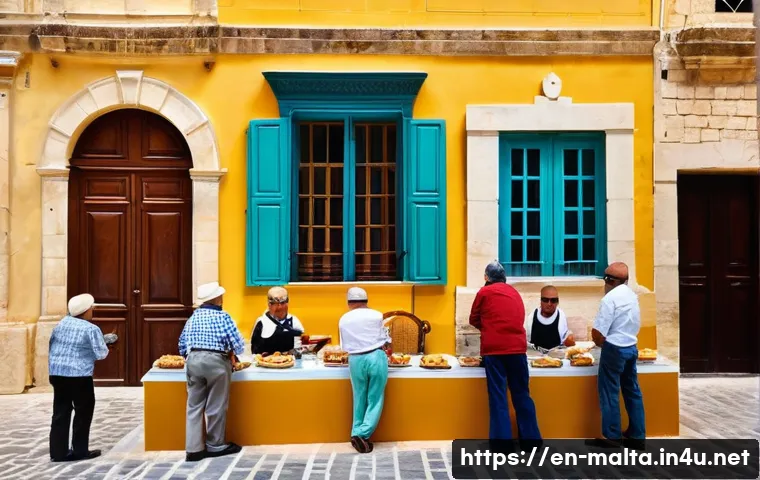
The early 1960s brought what was known as Britain’s “Winds of Change” policy, a broader initiative to grant independence to many of its colonies. For Malta, this meant serious negotiations finally began. Prime Minister George Borg Olivier of the Nationalist Party played a pivotal role in these discussions, skillfully navigating the complexities of transitioning from colonial rule to full sovereignty. After intense debates and the approval of a new Maltese constitution by popular referendum, Malta officially gained independence from the United Kingdom on September 21, 1964. It was a monumental day, marking the end of over 150 years of British rule and centuries of foreign domination. I can only imagine the celebrations and the profound sense of accomplishment felt across the islands that day. It truly shows that persistence and a clear vision can move mountains, or in this case, achieve self-rule for an island nation.
From Realm to Republic: Crafting a Modern Nation
Independence in 1964 was a huge victory, but it wasn’t the final chapter in Malta’s story of self-determination. The journey continued as the nation evolved, moving from a constitutional monarchy to a full republic and further solidifying its place on the global stage. This phase was all about defining what a modern, independent Malta would be, both domestically and in its international relations. It speaks to the dynamic nature of nation-building, where even after achieving the main goal, there are always more layers to peel back and new identities to forge. It’s a continuous process, really, much like how we constantly refine our own personal identities.
The Birth of the Republic
Initially, after gaining independence, Malta remained a constitutional monarchy, with Queen Elizabeth II as the Queen of Malta and head of state, represented by a Governor-General. This was a common interim step for many newly independent Commonwealth nations. However, the desire for a fully sovereign, Maltese head of state eventually led to another significant constitutional change. On December 13, 1974, just a decade after independence, Malta declared itself a republic within the Commonwealth, with a Maltese President assuming the role of head of state. This shift wasn’t just symbolic; it was a powerful affirmation of Malta’s complete self-governance and its mature standing as an independent nation. I feel like this really completed the circle, truly making the country its own master.
Navigating the International Arena
Post-independence, Malta embarked on a policy of non-alignment and neutrality, seeking to establish friendly relations with diverse nations and define its unique role in the Mediterranean region. This included, at times, forging close ties with countries like China and Libya. A significant moment came on March 31, 1979, known as “Freedom Day,” when the defense agreement with Britain expired, and the last British forces withdrew from the island, marking the full closure of the British base. This event was celebrated as the achievement of “real” independence by the Maltese government, underscoring the importance of complete military and economic sovereignty. Looking at Malta today, a proud member of the European Union since 2004 and having adopted the Euro in 2008, it’s clear how far this small island has come in defining its identity on the world stage. It’s a journey that truly inspires, showing that independence is not just a date on a calendar, but a continuous evolution.
Malta’s Enduring Legacy: A Tapestry of Resilience
When I think about Malta’s incredible journey, what really sticks with me is the sheer tenacity of its people. It’s a story that goes far beyond political dates and treaties; it’s about a collective spirit that has weathered millennia of foreign rule, adapted, absorbed, and yet always maintained its unique identity. From ancient civilizations to formidable empires, each left a layer, but none erased the core Maltese essence. This tiny island nation, despite its small size, stands as a powerful testament to the human desire for freedom and the capacity for self-determination. It truly makes me appreciate the depth of character woven into every aspect of this beautiful country.
A Culture Forged by History
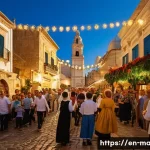
Malta’s culture is a vibrant mosaic, a living embodiment of its layered past. The Maltese language itself is a unique blend, primarily Semitic with significant influences from Sicilian, Italian, French, and English, a direct result of its historical rulers. You can hear the echoes of all those conquerors in everyday conversations! The island’s architecture, cuisine, and traditions all tell similar tales, showcasing a remarkable ability to integrate external influences while retaining a distinctly Maltese flavor. I recall stumbling upon a festa, a village feast, and just being swept up in the local traditions – it’s such a tangible link to their enduring spirit. This blend isn’t just a historical curiosity; it’s a dynamic force that continues to shape modern Maltese life, proving that true identity can thrive even amidst constant change.
Lessons in Sovereignty and Spirit
Malta’s journey to independence offers profound lessons for anyone interested in nation-building and the power of a people’s will. It highlights the long, often arduous path from being a coveted strategic asset to becoming a sovereign nation with its own voice. The persistent demands for local autonomy, the wartime heroism that earned global recognition, and the strategic political maneuvering all contributed to carving out its destiny. It’s not just a historical account; it’s a narrative of pride, struggle, and eventual triumph that resonates deeply. Visiting Malta, you don’t just see historical sites; you feel the spirit of a nation that fought hard for its place in the world. And that, to me, is the ultimate travel souvenir – a deeper understanding of human resilience.
| Key Dates in Malta’s Path to Independence | Significance |
|---|---|
| 1800 | British arrive to aid Maltese against French, becoming a protectorate. |
| 1813 | Malta officially declared a British Crown Colony. |
| 1921 | Granted initial self-government (dyarchy), later revoked. |
| 1942 | Awarded the George Cross for civilian bravery during WWII. |
| 1947 | Self-government reinstated after WWII. |
| September 21, 1964 | Malta gains full independence as the State of Malta. |
| December 13, 1974 | Malta becomes a Republic within the Commonwealth. |
| March 31, 1979 | “Freedom Day” – Last British forces withdraw from Malta. |
Closing Thoughts
And there you have it, friends! Malta’s incredible journey from a coveted island crossroads to a proud, independent republic is truly a story of monumental resilience and an unwavering spirit. It’s not just a series of historical events on a timeline; it’s a living narrative etched into the golden stones, the vibrant culture, and the very soul of the Maltese people. Every time I visit, I feel that deep connection to a past that shaped such a spirited present. Understanding this journey doesn’t just make for a more insightful trip; it makes you appreciate the profound human capacity to carve out identity and destiny against all odds. So, when you eventually find yourself wandering through its ancient streets, take a moment to really feel the history beneath your feet, because it’s truly magnificent.
Handy Tips for Your Maltese Adventure
1. Getting around Malta is surprisingly easy, even for first-timers! While local buses are quite efficient and cover most of the islands, I personally found that using ride-sharing apps like Bolt offered a convenient way to get to those hidden gems a little faster, especially if you’re traveling with friends or have a tight schedule. Plus, for exploring Gozo and Comino, the ferries are a must-do and part of the adventure!
2. You’ll be glad to know that English is an official language alongside Maltese, so communication won’t be an issue at all. However, I always find that attempting a few basic Maltese phrases, like “Bongu” (good morning) or “Grazzi” (thank you), really brightens people’s faces and creates a more authentic connection with the locals. It shows respect and a genuine interest in their beautiful culture.
3. When it comes to currency, Malta uses the Euro, just like many other EU countries. While most places, especially in tourist areas, readily accept credit and debit cards, it’s always a good idea to carry a bit of cash for smaller purchases at local markets, tiny cafes, or for tipping. I learned this the hard way trying to buy some delicious pastizzi from a street vendor!
4. If you’re thinking about driving yourself, remember that Malta drives on the left-hand side of the road, just like in the UK. The roads can be a bit narrow and winding, particularly in older towns, so take it easy and enjoy the scenic routes. A smaller car is definitely your friend here, making navigating those charming, tight streets much less stressful.
5. My absolute favorite time to visit Malta is during the spring (April to June) or early autumn (September to October). The weather is absolutely glorious – warm and sunny but without the intense heat and crowds of peak summer. It’s perfect for exploring historical sites, enjoying the beaches, and savoring outdoor dining without feeling overwhelmed. You’ll get to experience the island at its most vibrant and comfortable.
Key Takeaways
Malta’s strategic position in the Mediterranean has made it a prize for countless empires over millennia, leaving a rich tapestry of influences that are still visible today. The unwavering resilience and determination of the Maltese people, particularly highlighted by their heroic stand during World War II, were crucial in shaping their path to independence. This journey culminated in 1964 with full sovereignty and evolved into a republic by 1974, marking the complete realization of their self-governance. Today, Malta stands as a proud member of the European Union, a testament to its enduring spirit and its unique identity on the global stage, continually balancing its deep history with a vibrant, modern outlook.
Frequently Asked Questions (FAQ) 📖
Q: uestionsQ1: What’s the real story behind Malta’s Independence Day, and when exactly did it happen?
A: Oh, this is a question that always brings a smile to my face because it really highlights the grit of the Maltese people! After centuries under various foreign powers, Malta finally achieved its independence on September 21, 1964.
It wasn’t just a simple handover, but the culmination of decades of political struggle, negotiations, and a profound desire among the Maltese to govern themselves.
You see, after World War II, which hit Malta incredibly hard, there was a real surge in national sentiment. People felt that they had proven their loyalty and resilience, and it was time for them to chart their own course.
My grandmother, who visited Malta around that time, always talked about the palpable excitement in the air, a mix of relief and fervent hope for the future.
It was a moment of immense pride, solidifying their identity on the global stage after being a strategic British naval base for so long.
Q: What were the biggest hurdles Malta faced on its path to becoming an independent nation?
A: That’s a fantastic question, because independence is rarely a smooth ride, and Malta’s journey was no exception! One of the primary challenges was navigating the complex geopolitical landscape of the post-war era.
As a tiny island, Malta had always been strategically important, making it a valuable asset for larger powers. Shifting from being a British colony to a fully sovereign state meant figuring out its place in the world, especially during the Cold War.
Economically, it was also a huge undertaking. The British military presence had long been a major employer and economic driver, so Malta had to rapidly diversify its economy, building up industries like tourism and manufacturing from scratch.
I often think about how daunting that must have been for the leaders of the time – essentially building a new economic foundation while simultaneously establishing their own governmental structures and international relations.
It really speaks volumes about their vision and determination.
Q: How did Malta’s independence impact its unique cultural identity and its future as a European nation?
A: This is where the story gets really fascinating from a cultural perspective! Independence allowed Malta to truly embrace and promote its unique heritage, a beautiful blend of Sicilian, Arabic, and British influences, all wrapped in a distinctly Maltese package.
Before independence, while the culture thrived organically, the formal education system and public life often prioritized English. Post-1964, there was a renewed focus on the Maltese language, literature, and traditions.
This wasn’t about erasing foreign influences, but about recognizing and celebrating their own distinct voice. Looking ahead, this strong sense of identity undoubtedly played a role in their journey towards joining the European Union in 2004.
Being part of the EU has allowed Malta to maintain its unique character while also benefiting from being part of a larger European family, creating a dynamic balance between tradition and modernity.
It’s truly a testament to how a nation can forge its own path while still contributing to a broader global community. I’ve seen firsthand how proud the Maltese are of their heritage, and it’s something truly special to witness.