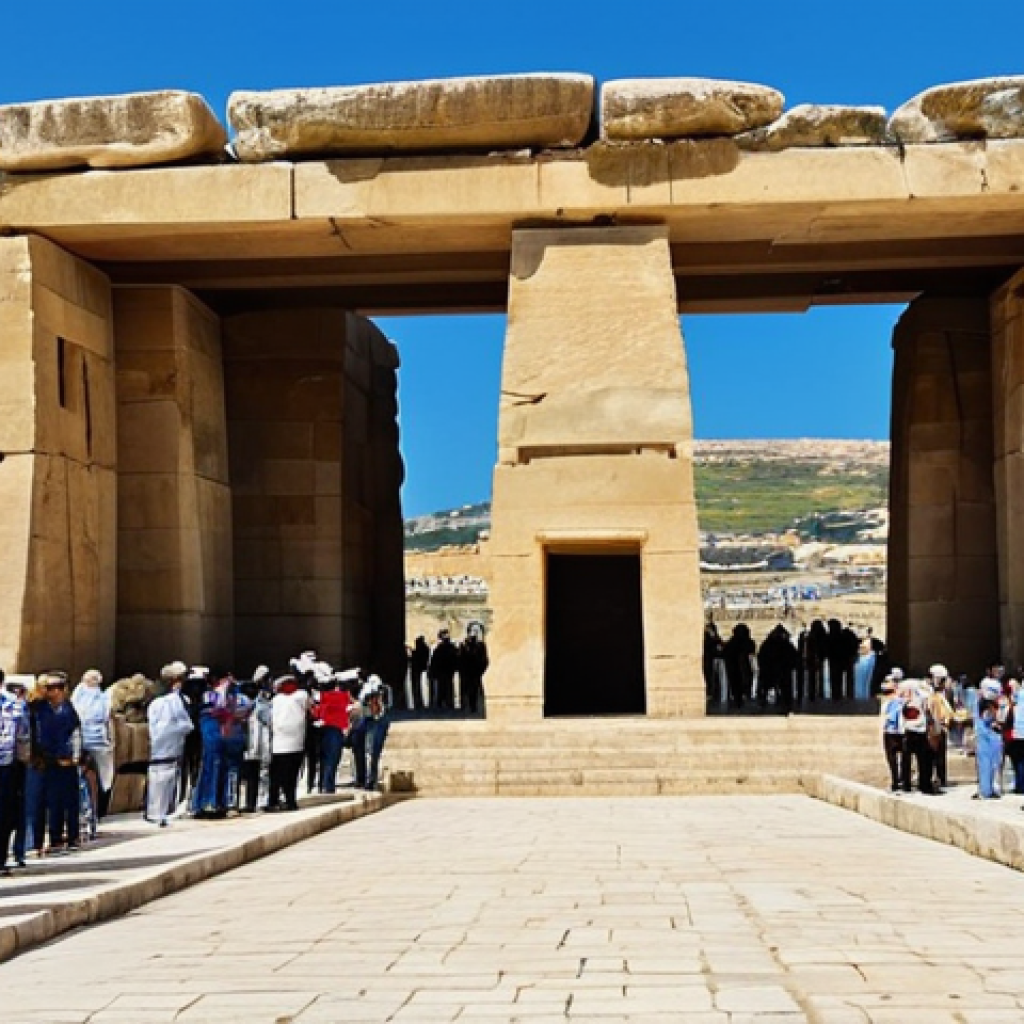
Malta, a jewel in the Mediterranean, is steeped in history that stretches back millennia. Long before the Knights of St. John graced its shores, or even the Romans set foot, a mysterious people raised colossal structures dedicated to their gods.
These are the Megalithic Temples, older than Stonehenge and the Egyptian pyramids, silent witnesses to a civilization lost to time. Wandering through these ancient sites, I felt a palpable connection to the past, a sense of awe at the ingenuity and devotion of those who built them.
They’re truly a testament to human endeavor and faith. Let’s uncover the secrets of these amazing temples in detail below!
Unveiling the Ancient Stones: A Personal JourneyThe Maltese Megalithic Temples aren’t just piles of rock; they’re whispers from an age so distant it feels like another world.
I remember standing at Ħaġar Qim, the wind whipping around me, and trying to imagine the people who, thousands of years ago, dragged these massive stones into place.
What rituals did they perform? What did they believe? The silence of the temple held so many unanswered questions.
The sheer scale of these structures is incredible, especially when you consider the limited tools and technology available at the time. It’s easy to get lost in the mystery, wondering about the lives and beliefs of the people who built these monumental sites.
When I see the stones, I feel a profound connection to Malta’s deep, rich history.
The Mystique of Mnajdra
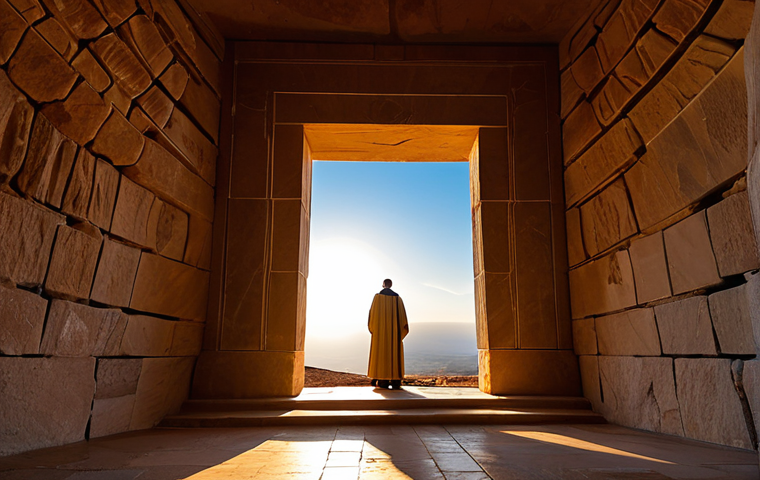
Just a short distance from Ħaġar Qim, Mnajdra is another temple complex that left me speechless. Its lower temple is especially remarkable, aligned perfectly to the sunrise during the solstices and equinoxes. Imagine the planning, the astronomical knowledge, required to achieve such precision! Experiencing the equinox sunrise at Mnajdra is on my bucket list – I’ve heard it’s an incredibly powerful and moving event. To think that these ancient people were so attuned to the movements of the sun and stars is really awe-inspiring. It makes you wonder about what other secrets they held. I felt as if time had stopped, and the mysteries of the past unfolded right before my very eyes.
Personal Reflections on the Silent Stones
Visiting these temples isn’t like touring a museum; it’s more like stepping into a time capsule. You can feel the weight of history pressing down on you, the echoes of forgotten ceremonies, the presence of a civilization that thrived and then vanished. It’s a humbling experience, reminding you of the fleeting nature of human existence. This is why when my friends ask, I recommend they spend a few quiet moments at each site, simply soaking in the atmosphere. Let the stones speak to you, and you might be surprised by what you hear. Take a break and sit by the stones. Feel the sun and air on your skin and imagine the people who stood there before you. You’ll be surprised how connected you’ll feel to them.
Deciphering the Architectural MarvelsThese temples showcase a sophisticated understanding of engineering and design that is truly remarkable. The sheer size of the stones, some weighing several tons, and the precision with which they were fitted together, indicate advanced planning and execution.
I have always been fascinated by the intricate carvings and decorations found within some of the temples, providing insights into the beliefs and practices of the people who built them.
The different chambers and altars reveal a complex system of rituals and ceremonies. Every corner and stone has a story to tell.
The Coralline Limestone Legacy
One of the most impressive aspects of the Megalithic Temples is the use of local coralline limestone. This material, quarried from the surrounding landscape, was carefully selected and transported to the temple sites. The builders’ knowledge of the stone’s properties and their ability to work with it using rudimentary tools are a testament to their skill and ingenuity. I read somewhere that they used stone balls as rollers to move these massive blocks. Imagine the effort involved! It’s hard to believe they could move such heavy materials without the use of modern technology.
Innovative Structural Techniques
The architecture of the temples also features several innovative techniques. The use of post-and-lintel construction, where large horizontal stones are supported by vertical pillars, creates open spaces within the temples. The corbelled roofs, built by gradually overlapping stones to form a dome-like structure, demonstrate an understanding of weight distribution and structural stability. I was amazed by the way these ancient architects could create such durable and impressive structures using only basic principles of physics. One cannot but admire their ingenuity and skill in creating such amazing structures.
Delving into Rituals and BeliefsThe Megalithic Temples were not just architectural feats; they were also centers of religious and social activity. Archaeological evidence suggests that these sites were used for various rituals, including animal sacrifices, offerings, and processions.
The alignment of certain temples with the sun and moon indicates a deep understanding of astronomy and its importance in their belief system. When visiting, I often wonder about the rituals and ceremonies that took place within these sacred spaces, and what role they played in the lives of the people who built and used them.
The rituals performed in these temples are some of the most fascinating and intriguing aspects of the megalithic sites.
Evidence of Animal Sacrifice
Excavations at several temple sites have revealed the remains of animals, suggesting that animal sacrifices were a common practice. The bones of cattle, sheep, and goats have been found in pits and altars, indicating that these animals were offered to the gods. I had learned that these sacrifices were likely intended to ensure fertility, prosperity, and protection for the community. It’s a stark reminder of the different ways that people have sought to connect with the divine throughout history. When I visit, I pay respects to the sacrifices made by the ancients.
Possible Fertility Cults
Many scholars believe that the Megalithic Temples were associated with fertility cults. The presence of numerous female figurines and the shape of certain architectural elements, such as the “fat lady” statues, suggest that these temples were dedicated to a mother goddess. I imagined the rituals performed to ensure the fertility of the land and the people. The connection between these temples and fertility is one of the most intriguing aspects of these ancient sites. When I see these statues, I feel a sense of connection to the ancient people and their worship of female deities. I would love to learn more about the goddesses and the ceremonies that honored them.
| Temple Site | Notable Features | Significance |
|---|---|---|
| Ħaġar Qim | Largest megalithic structure; astronomical alignment | Possible solar observatory |
| Mnajdra | Three temples aligned to solstices and equinoxes | Precise astronomical calendar |
| Tarxien | Intricate carvings, “fat lady” statue | Evidence of fertility cult |
| Ġgantija | Tallest megalithic structures | Impressive architectural achievement |
| Skorba | Remains of earlier villages; red ochre | Insights into prehistoric settlement |
The Enigmatic Decline and AbandonmentOne of the greatest mysteries surrounding the Megalithic Temples is why they were abandoned. Around 2500 BC, the temple-building culture suddenly disappeared, leaving behind these magnificent structures to be slowly forgotten.
There are several theories as to why this happened, including climate change, overpopulation, or social unrest. Whatever the reason, the sudden decline of this advanced civilization remains one of the most intriguing puzzles of Maltese history.
While some historians argue that the people simply moved away, others claim there was more sinister reasons that led to the temples’ decline.
Climactic Changes and Overpopulation
Some scholars believe that climate change played a role in the abandonment of the temples. A prolonged drought or other environmental disaster could have made it difficult for the people to sustain themselves, leading to famine and social upheaval. The population may have grown too large for the available resources, exacerbating the crisis. To think that these once thriving communities were forced to abandon their homes and sacred sites is incredibly sad. I wonder if there was anything they could have done to prevent this disaster.
Social Unrest and Conflict

Another theory is that social unrest or conflict led to the decline of the temple-building culture. Competition for resources or power struggles between different groups could have destabilized the society, leading to its collapse. The temples themselves may have become targets of violence, as different factions sought to control these important religious centers. Whatever the cause, the abandonment of the Megalithic Temples marks a turning point in Maltese history. I wish we knew more about the events that led to this decline. The end of the temple builders remains a subject of debate. It may be a combination of factors that caused the sudden collapse.
Exploring the Enduring LegacyDespite their abandonment, the Megalithic Temples have left an enduring legacy. They are a testament to the ingenuity and creativity of the people who built them, and a reminder of the rich and complex history of Malta.
The temples continue to inspire awe and wonder in visitors from around the world, and their secrets continue to be unraveled through ongoing archaeological research.
They still stand tall today, and they will continue to inspire people for many generations to come.
Preservation and Tourism
Today, the Megalithic Temples are recognized as UNESCO World Heritage Sites and are carefully preserved by the Maltese government. Tourism plays an important role in supporting the preservation of these sites, as visitors from around the world come to marvel at their beauty and historical significance. I encourage everyone to visit these temples and learn about the fascinating history of the people who built them. The temples are a treasure that must be protected and preserved for future generations. Without protection, these temples will eventually become forgotten. The preservation and care of these structures are critically important.
Inspiration for Future Generations
The Megalithic Temples continue to inspire artists, writers, and researchers. Their mysterious origins and stunning architecture have sparked countless creative works, from paintings and sculptures to novels and documentaries. The temples serve as a reminder of the power of human creativity and the importance of preserving our cultural heritage. I hope that future generations will continue to be inspired by these ancient wonders and that they will carry on the work of preserving and understanding them. Without careful work, the stories of the temples will be lost, and that would be a tragic loss. The timelessness of the temples offers a sense of hope for the future.
Unveiling the mysteries of the Maltese Megalithic Temples has been a journey through time, connecting me with the ingenuity and spirituality of our ancestors.
These ancient stones stand as a testament to human innovation and resilience, inviting us to reflect on our place in the grand tapestry of history. Whether you’re a history buff, an archaeology enthusiast, or simply a curious traveler, the Megalithic Temples offer an experience that transcends the ordinary, leaving you with a profound sense of wonder and connection to the past.
The temples are more than just ancient relics; they are a living history that resonates with the soul.
In Conclusion
Exploring the Megalithic Temples of Malta is like stepping into a living history book, where each stone whispers tales of ingenuity, spirituality, and resilience. The sheer scale and precision of these ancient structures leave you in awe, while the rituals and beliefs associated with them offer a glimpse into the minds of our ancestors.
Whether you’re a seasoned traveler or an armchair explorer, the Megalithic Temples provide an enriching experience that transcends time and culture. They remind us of our shared human heritage and the importance of preserving these ancient wonders for generations to come.
Visiting these temples isn’t just about seeing old stones; it’s about connecting with the human spirit that built them. It’s about pondering the mysteries of the past and finding inspiration for the future. It’s an experience that will stay with you long after you’ve left the island.
So, the next time you find yourself in Malta, make sure to carve out some time to explore the Megalithic Temples. You won’t be disappointed. Let the stones speak to you, and you might be surprised by what you hear.
Good to Know
1. Best Time to Visit: Spring and fall offer pleasant weather and fewer crowds. The shoulder seasons provide a balance of good weather and fewer tourists, allowing for a more relaxed experience. The summer months can be quite hot, while the winter months can be cool and rainy.
2. Getting Around: Renting a car is the easiest way to explore Malta, but public transportation is also available. Buses are the most common form of public transport. Consider renting a car for maximum flexibility and convenience. Taxis and ride-sharing services are also available, but they can be more expensive.
3. Entrance Fees: A Heritage Malta pass can save you money if you plan to visit multiple historical sites. Check the Heritage Malta website for the latest pricing and details. The pass provides access to a variety of museums and archaeological sites across Malta.
4. Guided Tours: Consider joining a guided tour to learn more about the history and significance of the temples. Knowledgeable guides can provide valuable insights and answer your questions. Check the local tourist information centers for tour options.
5. Local Cuisine: Don’t miss the opportunity to try traditional Maltese dishes like rabbit stew and pastizzi. Explore local restaurants and cafes for an authentic culinary experience. Maltese cuisine is a blend of Mediterranean flavors with influences from various cultures that have inhabited the island over the centuries.
Key Takeaways
* The Megalithic Temples are a testament to the ingenuity and religious beliefs of Malta’s ancient inhabitants. * The temples showcase advanced architectural techniques, including the use of coralline limestone and innovative structural designs.
* The temples were centers of ritual and social activity, with evidence of animal sacrifices and fertility cults. * The decline of the temple-building culture remains a mystery, with theories ranging from climate change to social unrest.
* Today, the temples are recognized as UNESCO World Heritage Sites and are carefully preserved for future generations.
Frequently Asked Questions (FAQ) 📖
Q: Just how old
A: RE these Megalithic Temples, really? I mean, older than Stonehenge sounds crazy! A1: Seriously!
I know, right? They’re mind-blowingly ancient. We’re talking construction starting around 3600 BC.
To put it in perspective, that’s over a thousand years before the Great Pyramid of Giza. Stonehenge? A mere youngster by comparison, built later.
The temples are truly one of the oldest free-standing structures on earth. It’s wild to think about the people who built them!
Q: Okay, so these temples are old, but what were they actually used for? Was it just a bunch of religious rituals?
A: Good question! While we can’t know for certain what every nook and cranny was used for, the general consensus is that they were definitely centers of religious activity.
Think animal sacrifices (they’ve found bones), offerings, and probably fertility rituals – some of the statues found there are rather… well, let’s just say suggestive.
I imagine there were processions, chanting, and maybe even some potent local brew involved. It’s fun to picture, isn’t it?
Q: If these temples are so historically significant, are they easy to visit? What’s it like actually seeing them in person?
A: Absolutely! Malta has done a fantastic job of preserving and presenting the temples. Most are open to the public, though some are better preserved than others.
Seeing them in person is really something special. You can wander through the stone corridors, touch the megaliths (respectfully, of course!), and just soak in the atmosphere.
I particularly enjoyed Hagar Qim; its location overlooking the sea is breathtaking. Just be prepared for the sun – bring water and sunscreen! Trust me, it’s worth the trip.
📚 References
Wikipedia Encyclopedia