Hey there, amazing readers! Ever found yourself scrolling through travel feeds, eyes wide, imagining a life completely different from your own? It’s a feeling I know all too well, especially with the global buzz around remote work and the yearning for authentic experiences abroad.
Malta, this tiny sun-drenched jewel in the heart of the Mediterranean, has been capturing hearts globally, drawing in a vibrant mosaic of expats from every corner of the world.
But what’s it *really* like to not just visit, but to truly immerse yourself in its unique rhythm, especially when you’re bringing a rich cultural background from far away?
I recently had the incredible opportunity to chat with a fascinating Korean expat who’s been navigating life on this beautiful island, and trust me, her story is packed with insights you won’t want to miss.
She shared some truly eye-opening perspectives on everything from daily life and cultural adjustments to finding community in a new land. Let’s dive in and uncover exactly what makes her journey in Malta so captivating.
Finding Your Footing: The Initial Jolt and Daily Rhythms
It’s an exhilarating moment, stepping off the plane into a new country, a new life. Malta, with its golden limestone and the azure kiss of the Mediterranean, certainly makes for a picturesque welcome.
But let’s be real, the first few weeks, or even months, are always a whirlwind of adjustments. I’ve chatted with so many people who’ve made the leap, and that initial “pinch me, I’m here!” feeling quickly gives way to navigating the everyday.
One of the biggest shifts? The pace of life. It’s definitely not the hustle and bustle many of us are used to.
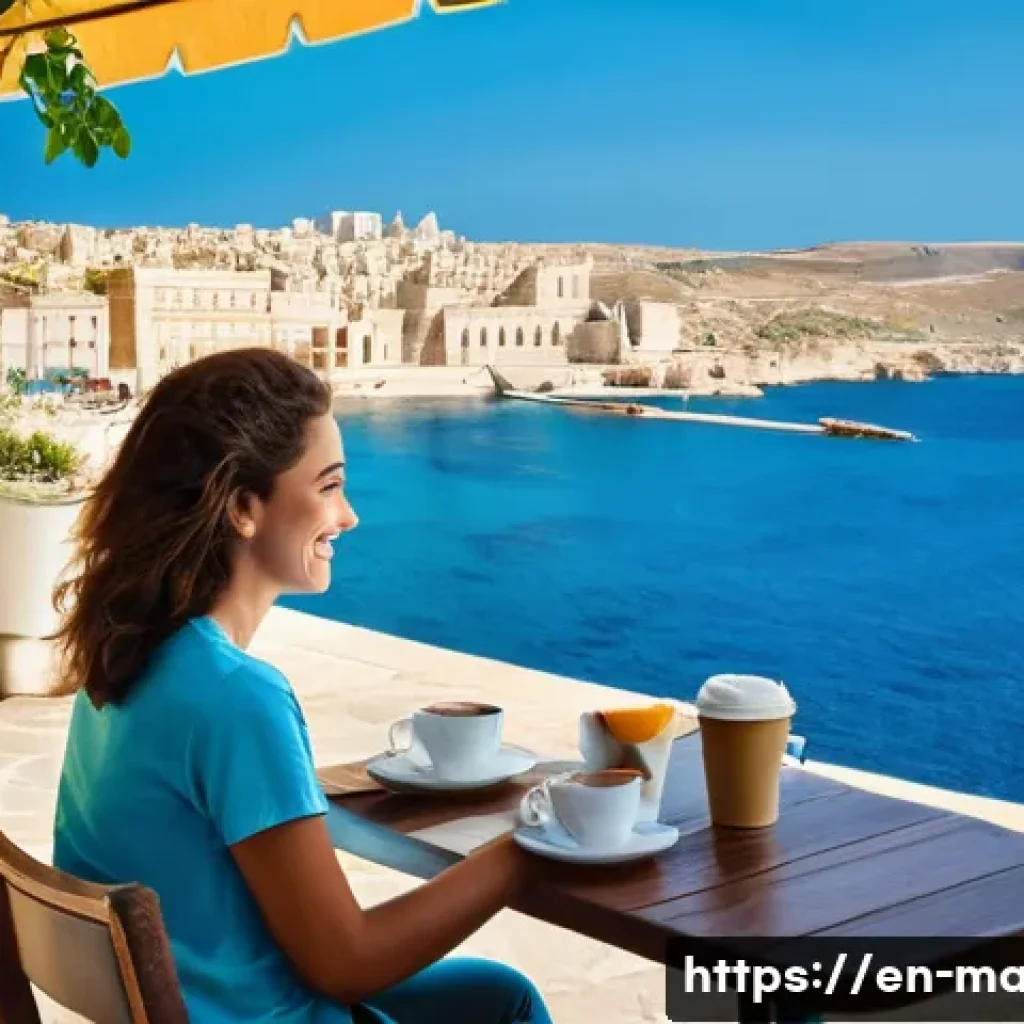
Things here operate on what I affectionately call “Malta time,” which means patience becomes your new best friend. Buses might run a little late, administrative tasks can take a touch longer, and even a quick coffee can turn into a leisurely hour-long affair.
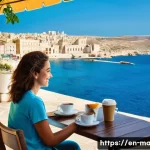
Initially, I found myself constantly checking my watch, feeling that familiar tug of urgency, but slowly, imperceptibly almost, you start to unwind. You learn to embrace the slower tempo, finding joy in the extra moments you gain, whether it’s an impromptu chat with a local or simply savoring your pastizzi with a view.
It’s a profound shift, one that encourages you to truly live in the present, something many of us often forget in our fast-paced lives back home. The Mediterranean sun truly has a way of melting away stress, and I’ve seen it transform even the most Type-A personalities into laid-back island dwellers.
Embracing the Island’s Unique Flow
When you first arrive, it’s natural to try and impose your own rhythm onto a new environment, but Malta quickly teaches you to adapt. I remember one expat telling me how she used to get frustrated by shops closing in the early afternoon for siesta, but now she cherishes that quiet time, using it for a peaceful walk or a quick dip in the sea.
It’s not about inefficiency; it’s about a deeply ingrained cultural appreciation for rest and family time. Learning to adjust your expectations, especially when it comes to service or punctuality, is key to a happy life here.
It’s a subtle dance, learning when to push and when to simply flow with the current. What might seem like a minor inconvenience at first, such as a shop assistant taking their time, often blossoms into a delightful, friendly interaction, reminding you that human connection often trumps speed.
This slower pace also means that social interactions are often more profound; people take the time to truly engage, making you feel genuinely welcomed.
Navigating the Labyrinth of Bureaucracy
Let’s talk about the less glamorous side of setting up a new life: paperwork. Every expat I’ve spoken with agrees that this is where your patience will truly be tested.
Obtaining residency permits, setting up utilities, or even just opening a bank account can feel like an Olympic sport. There are forms to fill, queues to endure, and a distinct lack of digital efficiency that can be jarring if you’re coming from a more streamlined country.
My best advice? Go prepared with every document imaginable, and then some. Make multiple copies.
And always, always bring a good book or a fully charged phone, because waiting is often part of the process. I once spent an entire morning trying to get a simple document authenticated, only to be told I needed another stamp from a different office.
It felt a bit like a treasure hunt, but eventually, you learn the ropes, find the right people to ask, and develop a sense of humor about it all. It’s part of the initiation, a rite of passage for every new islander, and a story you’ll undoubtedly share with a laugh later on.
Bridging Worlds: Cultural Connects and Lingual Leaps
Moving to a new country isn’t just about changing your address; it’s about immersing yourself in a whole new way of seeing the world. Malta offers a truly unique cultural tapestry, a blend of Mediterranean, North African, and European influences that results in something utterly distinct.
For many, one of the most immediate cultural touchpoints is the language. Maltese, a Semitic language with strong Romance influences, can sound quite daunting at first.
However, the fantastic news is that English is an official language and incredibly widely spoken, so you’ll rarely struggle to communicate in daily life.
But that doesn’t mean you shouldn’t try to pick up a few Maltese phrases! Locals genuinely appreciate the effort, and a simple “Bongu” (good morning) or “Grazzi” (thank you) can open doors to warmer interactions.
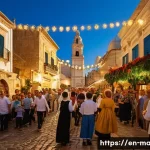
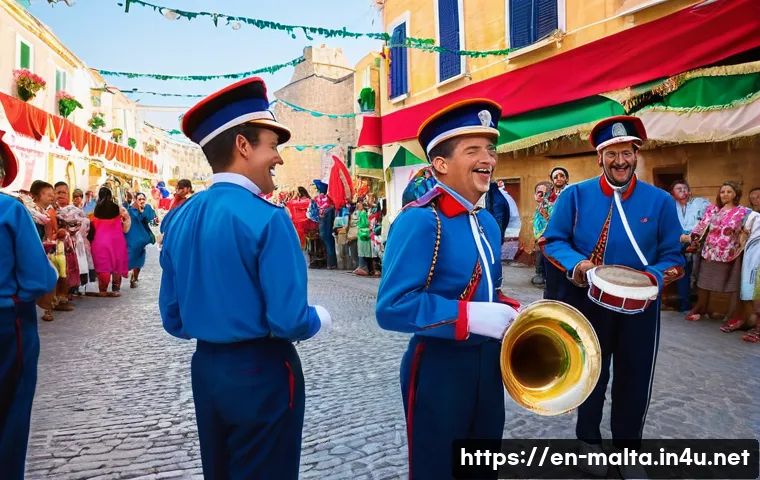
It’s truly fascinating to hear the unique rhythms of the language, and it gives you a deeper appreciation for the island’s rich history. Beyond language, there’s the vibrant calendar of festas – village feasts celebrating patron saints with fireworks, street decorations, and brass bands.
These are absolutely unmissable experiences that offer a raw, authentic glimpse into Maltese community spirit. It’s loud, it’s colorful, and it’s utterly joyful.
Navigating Social Norms and Etiquette
Maltese culture is generally conservative and family-oriented, with a strong emphasis on respect, particularly for elders. Politeness goes a long way, and small gestures like holding a door or offering a greeting can make a big difference.
I’ve found that people here are incredibly warm and hospitable once you get past a certain initial reservedness, which is common in many Mediterranean cultures.
Direct confrontation is often avoided; people prefer to maintain harmony, so communication can sometimes be indirect. It’s a learning curve to pick up on these nuances, especially if you come from a culture that values directness.
For instance, expressing a strong opinion might be done more gently, perhaps through a suggestion rather than an outright statement. Dressing modestly, especially when visiting churches or religious sites, is also expected and a sign of respect.
Understanding these unwritten rules isn’t about conforming completely, but about showing respect for the local way of life, which in turn fosters stronger connections and helps you feel more at home.
The Joy of Maltese Hospitality
One of the most heartwarming aspects of Maltese life is the genuine hospitality you encounter. People are often incredibly generous with their time and kindness.
I’ve heard countless stories of locals going out of their way to help an expat in need, whether it’s giving directions, recommending a hidden gem, or even sharing a homemade meal.
This sense of community and willingness to help is incredibly comforting when you’re far from your own support network. It speaks volumes about the island’s soul and its people.
This isn’t a transactional kindness; it’s deeply ingrained in the culture, an extension of the strong family values. You’ll often find yourself invited for coffee or a traditional snack, and these casual invitations are truly opportunities to connect on a deeper level.
It’s a beautiful reminder that despite all the differences, human connection remains universal and incredibly powerful.
Crafting Your Community: Finding Your Tribe on the Island
One of the biggest concerns for anyone moving abroad is undoubtedly finding their people, their tribe. And honestly, it’s not always instantaneous, but Malta offers a wonderfully diverse and welcoming environment for building new connections.
The expat community here is incredibly vibrant and active, which is a huge bonus. You’ll find people from all walks of life, from digital nomads and entrepreneurs to retirees and families, all drawn to the island’s unique charm.
Online groups, like specific Facebook pages for “Expats in Malta” or “Malta Digital Nomads,” are fantastic starting points. These groups often organize meetups, coffee mornings, hiking trips, or even pub quizzes, making it easy to put yourself out there and meet like-minded individuals.
I’ve personally seen how these groups transform strangers into lifelong friends, sharing tips, support, and laughter. Beyond the expat bubble, there are also plenty of opportunities to connect with locals.
Joining a sports club, volunteering, or taking a local language class can introduce you to Maltese people who share your interests, offering a more integrated experience.
The Power of Expat Networks
I can’t stress enough how crucial expat networks are when you’re new to a place like Malta. They provide a safe space to ask all those ‘silly’ questions you might have about local customs, where to find specific ingredients, or even just to vent about a frustrating bureaucratic experience.
There’s an instant camaraderie that forms when you realize you’re all navigating similar challenges and triumphs. These groups often become informal support systems, offering advice, recommendations for doctors or mechanics, and even helping with job leads.
It’s a fantastic resource for practical information, but more importantly, it’s a lifeline for emotional support. Sharing experiences with others who truly ‘get it’ can make all the difference in feeling settled and content in your new home.
Many expats also find professional networking opportunities through these channels, proving that community building isn’t just social, but can also boost your career.
Beyond the Usual: Unique Ways to Connect
While online groups and organized meetups are great, don’t underestimate the power of simply showing up and being open. Strike up a conversation with the barista at your local coffee shop, chat with the vendor at the market, or join a local hobby group like photography or diving.
Malta’s small size actually works in your favor here; it’s a place where you start recognizing faces quickly, and those casual acquaintances can often blossom into genuine friendships.
I’ve heard stories of people making their closest friends by simply frequenting the same gym or walking their dog in the same park. Embracing spontaneity is key here.
Say yes to invitations, even if they’re a little outside your comfort zone. Attend a village festa, even if you don’t know anyone. These are the moments where true, unexpected connections are forged, leading to some of the most memorable experiences of expat life.
It’s about being present and allowing yourself to be part of the flow of life around you.
Unlocking Malta’s Allure: Beyond the Postcard Perfect Views
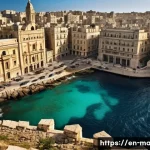
Malta is famous for its stunning coastlines, ancient temples, and vibrant capital, Valletta. And while those picture-perfect scenes are absolutely real and breathtaking, there’s so much more to discover once you dig a little deeper.
Living here allows you to move beyond the tourist highlights and explore the hidden gems, the local haunts, and the lesser-known corners that truly define the island’s character.
I’ve spent countless weekends just driving around, stumbling upon secluded coves, ancient sleepy villages, and stunning viewpoints that never make it into the guidebooks.
It’s these serendipitous discoveries that truly make living here special. The island is small enough that you can really get to know every nook and cranny, and yet it consistently surprises you with something new.
From the silent city of Mdina, glowing golden under the moonlight, to the colorful fishing boats in Marsaxlokk, each spot tells a unique story. And the best part?
Many of these experiences are completely free, requiring only a sense of adventure and a willingness to explore.
Discovering Culinary Delights
One of my absolute favorite ways to connect with any new place is through its food, and Malta’s culinary scene is a delightful blend of influences. Forget the tourist trap restaurants; seek out the local pastizzerias for a savory pastizzi (flaky pastry filled with ricotta or peas) that costs next to nothing and is utterly addictive.
Explore the local markets for fresh produce, especially the incredible Maltese tomatoes and olives. And don’t even get me started on the rabbit stew, fenkata, a national dish that’s rich, flavorful, and incredibly comforting.
I’ve had some of my most memorable meals in tiny, unassuming family-run eateries, where the passion for food shines through in every dish. It’s not about Michelin stars here; it’s about authentic flavors, generous portions, and a true taste of local life.
Sharing a meal is a fundamental part of Maltese culture, and you’ll often find that food is a gateway to deeper conversations and stronger bonds. There’s a particular joy in finding your favorite local spot, where the owner knows your order and offers you an extra treat.
Embracing the Great Outdoors
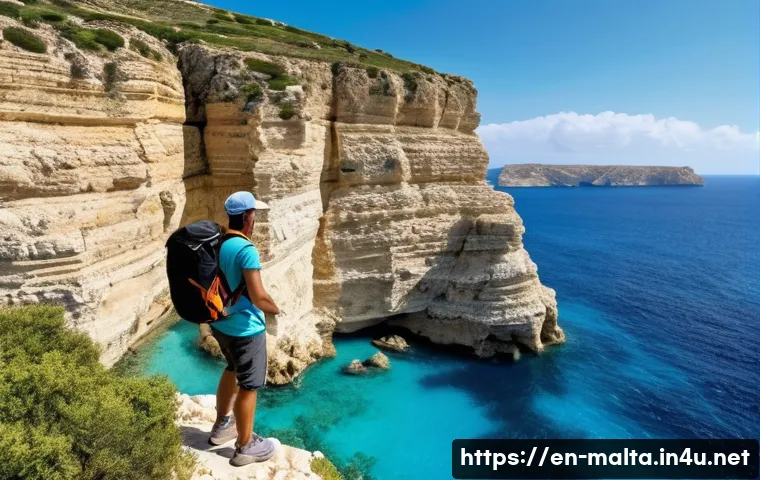
Living on an island surrounded by crystal-clear waters naturally means a lot of outdoor activities are readily available. Beyond the popular swimming spots, Malta offers fantastic opportunities for hiking, especially during the cooler months.
The rugged coastline boasts dramatic cliffs and hidden trails with breathtaking views. I’ve spent many a Sunday morning exploring these paths, feeling invigorated by the fresh sea air and the stunning panoramas.
Scuba diving and snorkeling are also incredibly popular, with Malta consistently ranked as one of the best diving destinations in the Mediterranean, thanks to its clear waters, fascinating wrecks, and diverse marine life.
Even if you’re not into intense sports, simply taking a leisurely walk along the promenade, watching the sunset over the sea, or enjoying a picnic in one of the many scenic parks becomes a cherished part of your daily routine.
It’s a reminder of the simple pleasures that island living affords, connecting you to nature in a profound way that can be incredibly healing and inspiring.
Practicalities of Paradise: Navigating Life’s Logistics
Making a big move always comes with a hefty dose of practical considerations, and Malta is no different. While the island offers an incredibly appealing lifestyle, understanding the ins and outs of daily logistics can make or break your initial experience.
From finding suitable housing to understanding the public transport system, these are the nuts and bolts that help you settle in. Housing, for example, can be quite competitive, especially in popular areas like Sliema, St.
Julian’s, and Gzira. It’s definitely advisable to arrange some short-term accommodation initially and then scout for long-term rentals once you’re on the ground.
Prices vary significantly based on location, size, and amenities. Utilities, like electricity and water, can also be pricier than in some other European countries, so it’s wise to factor that into your budget.
Public transport, primarily buses, covers most of the island and is a budget-friendly way to get around, though as I mentioned earlier, “Malta time” applies!
If you’re considering driving, remember that they drive on the left, and roads can be narrow and winding.
Understanding the Local Economy and Cost of Living
Malta’s economy is robust, driven by tourism, iGaming, financial services, and increasingly, tech. This means there are job opportunities, particularly for skilled professionals, and a diverse range of services available.
However, it’s crucial to have a realistic understanding of the cost of living. While some things, like fresh produce and public transport, can be relatively affordable, others, particularly imported goods, electronics, and sometimes rent, can be comparable to or even higher than in other Western European cities.
Healthcare, which is a big concern for many expats, is provided through a public system (free at the point of use for residents) and a private sector.
Many expats opt for private health insurance for faster access to specialists and a wider choice of facilities. Having a clear budget and doing your research on average costs for your lifestyle is essential to avoid any financial surprises.
| Category | Average Monthly Cost (EUR) | Notes for Expats |
|---|---|---|
| Rent (1-bedroom apt, city center) | 800 – 1,200 | Varies greatly by location (Sliema/St. Julian’s vs. quieter towns). |
| Utilities (Electricity, Water, Internet) | 100 – 180 | Can be higher in summer due to AC usage. |
| Groceries | 200 – 350 | Local produce is cheaper; imported goods can be expensive. |
| Public Transport (Tallinja Card) | 21 – 26 | Monthly unlimited travel card is very cost-effective. |
| Dining Out (mid-range meal) | 20 – 40 per person | Many affordable local eateries available. |
Embracing the Expat Lifestyle: Work, Leisure, and Balance
Malta offers a fantastic environment for achieving a desirable work-life balance. With many companies adopting flexible work arrangements and the island’s inherent charm beckoning you outdoors, it’s easy to integrate leisure into your daily life.
Whether it’s an evening stroll by the sea after work, a weekend hike, or an impromptu visit to a historical site, the opportunities are endless. The short commute times, especially compared to large metropolitan areas, also free up valuable hours.
This allows you more time to pursue hobbies, socialize, or simply relax and recharge. The expat community often thrives on shared activities, from language exchanges and book clubs to sports leagues and cultural outings, ensuring there’s always something happening to keep you engaged.
It’s about creating a lifestyle that genuinely nourishes you, both professionally and personally, taking full advantage of the unique blend of career opportunities and island living that Malta so wonderfully offers.
It truly provides a chance to redefine what a balanced life looks like, away from the relentless pace of other places.
Making It Stick: Long-Term Happiness and Integration
After the initial excitement and the settling-in phase, the real magic happens: you start to feel genuinely at home. It’s not just about getting used to things; it’s about a deeper sense of belonging.
What I’ve observed is that long-term happiness in Malta often comes from actively engaging with both the expat and local communities, finding your routines, and appreciating the unique aspects of island life.
It’s about letting go of what you left behind and fully embracing what’s in front of you. This island, despite its size, has a way of getting under your skin, making you fall in love with its quirks, its history, and its vibrant energy.
You start to recognize faces in the street, know the best time to avoid traffic, and can order your coffee in Maltese. These small victories contribute to a profound sense of integration and make the island truly feel like your own.
It’s a journey, not a destination, and every expat’s experience is unique, but the common thread is the transformative power of living in a place as special as Malta.
Cultivating a Sense of Belonging
True integration isn’t just about language or logistics; it’s about forming genuine connections and feeling like a part of the fabric of society. For many expats, this means actively participating in local events, whether it’s attending a village festa, supporting local businesses, or engaging in community initiatives.
It’s about moving beyond simply existing in a place to truly contributing to it. I’ve seen expats organize beach cleanups, volunteer with animal shelters, or even join local choirs, all of which deepen their roots and foster a profound sense of belonging.
The more you immerse yourself, the more the island gives back to you. It’s a reciprocal relationship, where your openness and engagement are met with warmth and acceptance.
This isn’t just about making friends; it’s about building a life, creating a new identity, and finding a place where you truly feel seen and valued. It’s a beautiful process of transformation, often surprising you with how deeply you can connect to a place so different from your origin.
Embracing the Maltese Way of Life
Ultimately, long-term happiness in Malta comes from embracing the “Maltese way of life” – not just tolerating it, but genuinely appreciating its rhythm, its values, and its unique charm.
This means savoring the long, sunny days, accepting the occasional inefficiency with a smile, and appreciating the deep sense of community and family that permeates everything.
It’s about finding joy in the simple things: a morning coffee overlooking the sea, a leisurely Sunday lunch with friends, or an evening stroll through a historic city.
It’s a life that encourages you to slow down, to connect, and to truly live. The island teaches you resilience, patience, and the art of adaptation, lessons that extend far beyond your time here.
It’s an experience that enriches you, broadens your perspective, and leaves an indelible mark on your soul, making Malta not just a place you live, but a place you love.
Concluding Thoughts
This journey of making Malta home has been nothing short of transformative for me, and I’ve seen it happen for countless others too. It’s a place that asks you to slow down, breathe, and truly absorb the beauty around you.
While there are certainly unique challenges to navigate, the rewards of embracing this vibrant island life – from the incredible community to the endless sunshine – far outweigh them.
If you’re considering making the leap, or if you’re already here finding your footing, know that you’re embarking on an adventure that will undoubtedly enrich your life in ways you never imagined.
It’s a journey of discovery, not just of a new place, but of yourself too, as you adapt and thrive in this Mediterranean gem.
Useful Information to Know
1. Bureaucracy Requires Patience: When dealing with administrative tasks, always bring extra copies of documents and prepare for waiting times. Adopting a “Malta time” mindset will save you a lot of stress, and remember that a smile and a friendly approach often go a long way in speeding things up, even if just a little.
2. Embrace Public Transport: The bus system, while sometimes unpunctual, is an affordable and extensive way to explore the island without the hassle of parking. Consider getting a Tallinja card for cost-effective travel, and use apps like Moovit to track buses in real-time, helping you plan your journeys more efficiently.
3. Connect with Expat Communities: Online groups and organized meetups are invaluable resources for practical advice, emotional support, and making new friends who understand your journey. These networks often share insights on everything from finding a doctor to the best local bakeries, truly easing your transition.
4. Learn Basic Maltese Phrases: While English is widely spoken, making an effort with simple Maltese greetings like “Bongu” (good morning) or “Grazzi” (thank you) can open doors to warmer local interactions. Locals genuinely appreciate the effort, and it’s a wonderful way to show respect for the island’s unique heritage.
5. Explore Beyond Tourist Spots: The real charm of Malta lies in its hidden coves, local villages, and family-run eateries. Venture off the beaten path to discover the island’s authentic soul, enjoy more affordable and traditional experiences, and find those secret spots that only the locals (and savvy expats) know.
Key Takeaways
Malta encourages a slower pace of life, demanding patience but rewarding with a deeper appreciation for the present moment and less daily stress.
Building a strong community, both expat and local, is crucial for long-term happiness and integration, providing a vital support system and enriching your social life.
Embracing the unique culture, from its language efforts to its vibrant festas, enhances your experience and fosters a true sense of belonging that makes Malta feel like home.
Practical adjustments to things like housing, transport, and understanding the cost of living are essential for a smooth transition and a financially sustainable, enjoyable life in this Mediterranean paradise.
Frequently Asked Questions (FAQ) 📖
Q: Moving to a new country, especially one as culturally rich and distinct as Malta, must come with its own set of surprises! What was the most significant cultural adjustment for our expat friend, and what advice would she give to someone from a similar background preparing for life on the island?
A: Oh, this is such a brilliant question! When I chatted with our expat friend, she truly emphasized that while Malta is incredibly welcoming, the initial cultural shift was definitely a journey.
She told me with a smile, “Coming from Korea, where efficiency and a fast pace are almost ingrained, the ħin Malti – or Maltese time – was a beautiful, yet sometimes challenging, concept to embrace.” She explained that things often move at a more relaxed pace here, from customer service to social plans.
She learned to appreciate this slower rhythm, finding beauty in lingering over a coffee or accepting that some tasks might just take a little longer. Her biggest surprise, she shared, was the directness of communication paired with incredible warmth.
People here are open, friendly, and quick to share a laugh or a helping hand, which she found truly heartwarming once she understood the local communication style.
Her golden nugget of advice? “Embrace the flow! Come with an open heart and an open mind, and don’t expect Malta to be a mirror of your home.
That’s its charm!” She also suggested learning a few basic Maltese phrases, like ‘grazzi’ (thank you) and ‘bonġu’ (good morning); it goes a long, long way in connecting with locals and truly makes you feel more at home.
Q: Beyond the cultural immersion, what’s the day-to-day practical reality of living in Malta like, particularly regarding the cost of living and getting around? It’s always a big concern for anyone considering an overseas move!
A: You’ve hit on such an important point! Practicalities can often make or break an expat experience. Our friend shared that she was pleasantly surprised by some aspects of daily life, while others required a bit of budgeting savvy.
She noted that while rent, especially in popular areas like Sliema or St. Julian’s, can feel comparable to other European cities, groceries and local produce offer great value.
“I absolutely love hitting up the local fruit and veg markets,” she beamed. “You get the freshest stuff, and it’s a fantastic way to feel connected to the community.” Transportation is another key point.
Malta’s public bus system is incredibly extensive and affordable, with fares typically just a couple of euros for a two-hour ticket, or you can get a weekly pass.
She did mention, however, that while convenient, the buses can sometimes be a little unpredictable with timings, especially during peak tourist season.
“I quickly learned to factor in a little extra travel time, or just enjoy the unexpected detours,” she laughed. Overall, she found that her monthly expenses were manageable, especially if you cook at home often and take advantage of the many free outdoor activities like hiking or enjoying the beautiful beaches.
Fuel costs for cars can add up, but for many, a combination of walking and public transport is more than enough to navigate this compact island.
Q: For someone arriving alone or from a very different part of the world, building a strong community and social network is so vital. How did our Korean expat friend manage to find her tribe and truly feel like she belonged in Malta?
A: This is probably one of the most heartwarming parts of her story! She openly admitted that arriving in a new country, especially when your background is quite different, can feel a little isolating at first.
But her resilience and proactive approach truly paid off. She told me that one of her first steps was to seek out expat groups on social media platforms like Facebook.
“There are so many active groups for expats in Malta,” she explained, “and they’re fantastic for finding out about meetups, events, and even just asking for recommendations.” Beyond online communities, she made a conscious effort to join local activities.
She took a Maltese language class, which not only helped with communication but also introduced her to other expats and even some friendly locals. She also started attending local fitness classes and volunteering at a community event, which she said was “an incredible way to meet people who share similar interests, without the pressure of a ‘networking’ event.” What truly stood out was her willingness to say “yes” to invitations – whether it was for a spontaneous beach day or a coffee with a new acquaintance.
She now has a diverse circle of friends, a beautiful blend of fellow expats from all over the globe and warm-hearted Maltese locals. “It takes effort,” she concluded, “but the community you build here becomes your family away from home.
And that, to me, is priceless.”