Hey there, fellow wanderlusters! If you’re like me, picturing Malta’s sun-drenched beaches and historic streets probably comes with a quiet thought: ‘Is it *really* safe?’ I completely understand that feeling – after all, true adventure begins with peace of mind.
From my own experiences exploring this stunning Mediterranean island, I can tell you it’s a place where you’ll generally feel incredibly secure, radiating a welcoming charm.
Yet, like any vibrant destination popular with travelers, being ‘in the know’ on a few smart practices can elevate your visit from great to absolutely unforgettable.
So, let’s pull back the curtain and get you fully prepared for a smooth, safe, and truly spectacular Maltese adventure!
Navigating Malta’s Charming Streets: A Local’s Perspective
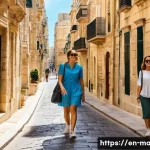
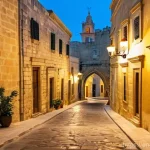
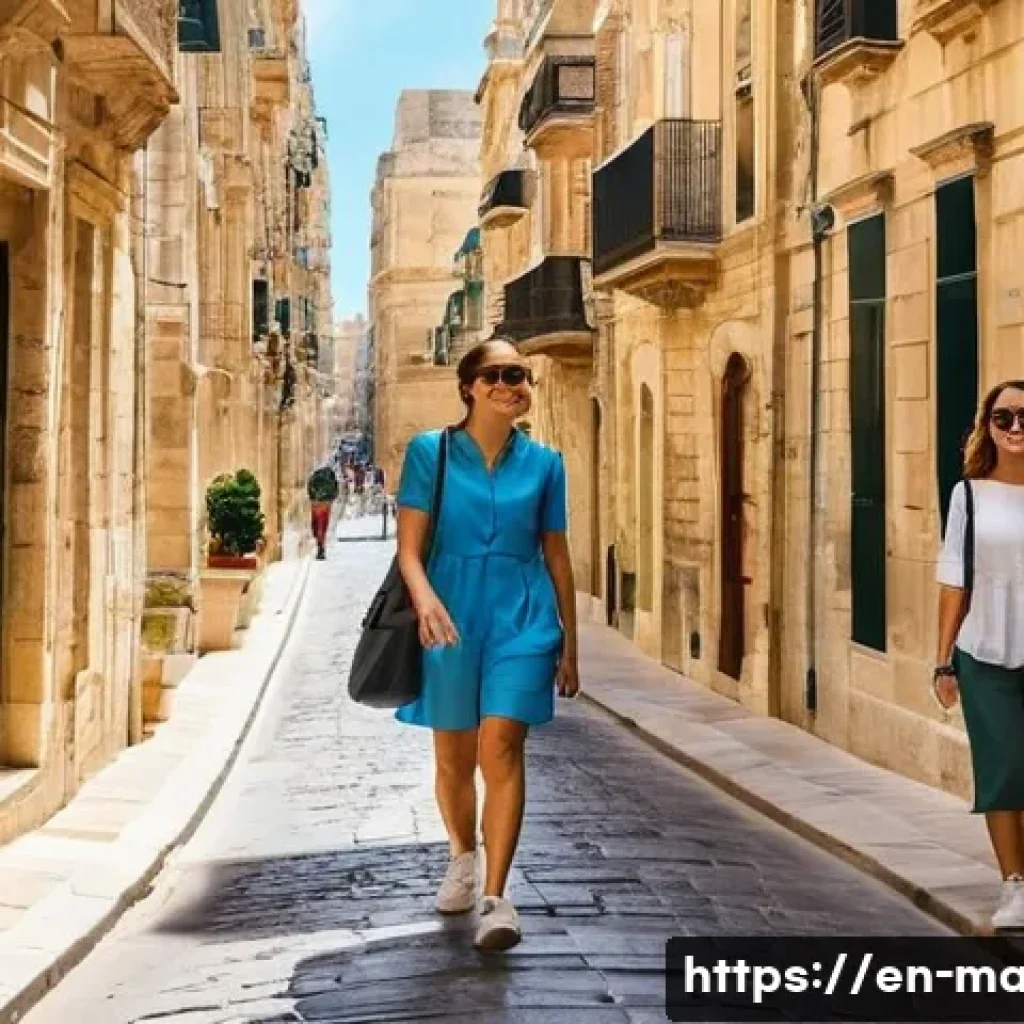
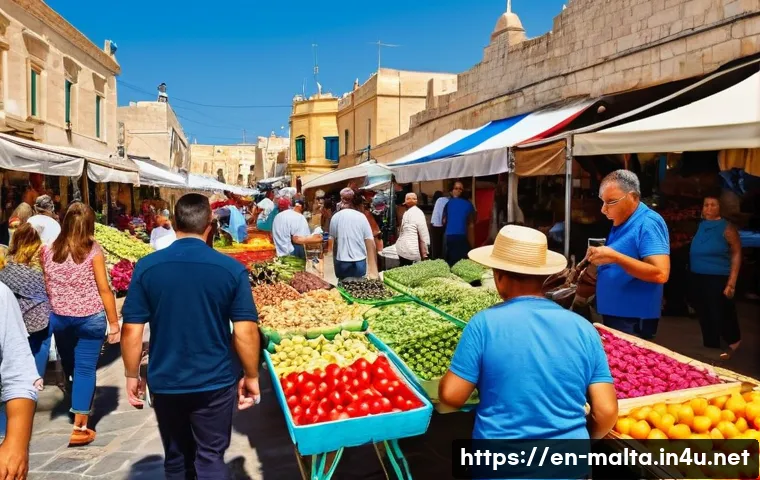
When I first set foot in Valletta, I was immediately struck by the ancient beauty of its limestone streets and the bustling energy of its markets. It felt like stepping into a postcard!
Generally, wandering through Malta’s towns and cities is a wonderfully safe experience. I’ve spent countless hours exploring the nooks and crannies, from the silent city of Mdina to the vibrant Sliema promenade, and I’ve always felt a profound sense of peace.
That said, just like any popular European destination, a little street smarts goes a long way. You’ll often find me keeping my bag zipped up and close to my body, especially in crowded spots like the ferry terminals or during festa celebrations where everyone is a bit closer than usual.
While serious crime is thankfully rare, pickpocketing can happen, particularly in very busy tourist areas where distractions are plentiful. I remember once almost leaving my phone on a cafe table because I was so engrossed in the view, only for a kind local to tap my shoulder and remind me.
It’s those small, everyday precautions that ensure your focus stays on soaking up the incredible atmosphere, not worrying about your belongings. The Maltese people are incredibly friendly and often eager to help, which really adds to that feeling of security.
They value their community and often look out for one another, and you’ll often feel that warmth extended to visitors too.
Awareness in Crowded Places
I’ve learned from experience that the key to a stress-free day in Malta’s most popular spots, like St. John’s Co-Cathedral or the Marsaxlokk Sunday market, is simply being aware of your surroundings.
These places, while absolutely breathtaking and a must-visit, can get incredibly packed. It’s not about being paranoid, but about being sensible. I always make sure my wallet is in a front pocket or a secure, cross-body bag.
When I’m taking photos, I try to keep one hand on my camera strap. It’s also wise to avoid overtly displaying large sums of cash or expensive jewelry.
Most people are just enjoying their day, but a visible wad of Euros can, unfortunately, be an inviting target for opportunists. I once saw a tourist get their phone snatched right out of their back pocket on a crowded bus, and it really stuck with me.
Since then, I’m extra vigilant about where I keep my essentials, especially when hopping on public transport which can get very busy during peak hours.
Respecting Local Customs and Boundaries
One of the things I adore about Malta is its deep-rooted culture and traditions. Being a good guest means respecting these. While Maltese society is generally quite liberal, especially in tourist hubs, it’s always appreciated if you dress respectfully when visiting religious sites.
I usually carry a light scarf to cover my shoulders if I’m popping into a church. In terms of personal space, the Maltese are generally warm, but like anywhere, it’s good to gauge the situation.
Engaging with locals is one of the joys of travel, but always do so respectfully. I’ve found that a simple “Bongu” (good morning) or “Grazzi” (thank you) in Maltese goes a long way and often opens doors to genuine, friendly interactions.
Most importantly, trust your gut. If a situation or an interaction feels off, it’s perfectly fine to politely excuse yourself and move on. My intuition has saved me from a few awkward moments over the years, and it’s a tool I rely heavily on when exploring new places.
Keeping Your Valuables Safe: Smart Tips for Travelers
Let’s talk about the practical side of things – protecting your precious belongings. After years of globetrotting, I’ve refined my routine for keeping my valuables secure, and Malta is no different.
It’s all about making yourself a less appealing target without sacrificing any fun. For me, that means splitting up my money and cards. I’ll carry a small amount of cash for daily expenses, maybe a single credit card, and leave the rest locked up safely in my accommodation.
Most hotels and guesthouses offer in-room safes, which I use religiously for my passport, extra cash, and any expensive electronics I’m not carrying that day.
It might seem like a small thing, but it gives me immense peace of mind knowing my most important documents are tucked away. When I’m out and about, I make sure my bag has secure zippers and isn’t easily accessible from behind.
I’ve even invested in a cross-body bag with anti-theft features for my travels, and it’s been a game-changer. These might sound like minor inconveniences, but trust me, they become second nature and allow you to genuinely relax and enjoy the stunning sights, rather than constantly worrying about your wallet.
Bags, Wallets, and Gadgets: Out of Sight, Out of Mind
I can’t stress this enough: visibility is often the enemy when it comes to keeping your items safe. I’ve witnessed countless tourists with phones carelessly sticking out of back pockets or designer bags left open and dangling.
It’s almost an open invitation for opportunists, especially in crowded areas like the Valletta Waterfront or during the bustling market days. My golden rule is “out of sight, out of mind.” I keep my phone tucked away in a zipped pocket or a secure compartment of my bag, only pulling it out when I actually need it for navigation or a photo.
The same goes for my wallet. Never, ever, in a back pocket. Front pocket, or better yet, a secure inside pocket of a jacket or a bag that’s worn across the body and kept in front of me.
If I’m sitting at a cafe, my bag is on my lap or looped around a chair leg, never just casually placed on the floor or the table. It’s these small habits that create a barrier, making you a much less attractive target and ensuring your Maltese adventure isn’t marred by the stress of lost items.
Digital Security and Emergency Copies
In today’s world, keeping our digital lives secure is just as important as our physical belongings. Before I even leave home, I make sure to scan copies of my passport, visa (if applicable), and credit cards, and save them to a secure cloud service or email them to myself.
This way, if my physical documents are lost or stolen, I have immediate access to the necessary information for replacements. I also enable two-factor authentication on all my important online accounts, especially banking and email.
And a crucial tip I learned the hard way: always inform your bank and credit card companies of your travel plans. There’s nothing worse than having your card unexpectedly blocked because they’ve flagged a foreign transaction as suspicious.
I usually use a travel money card that I can top up as needed, which limits my exposure if the card ever gets compromised. It’s all about layers of protection, ensuring that even if something goes awry, you have a backup plan ready to go, minimizing stress and getting you back to enjoying Malta’s magic.
Understanding Local Nuances: Culture and Common Sense
Malta is a gem with a rich history and a vibrant culture, a place where ancient traditions blend seamlessly with modern life. From my travels, I’ve learned that understanding and respecting these local nuances truly enhances the experience and helps you navigate more smoothly.
The pace of life can be a little slower, especially during the scorching summer afternoons when many locals opt for a siesta. Embracing this relaxed rhythm, rather than fighting it, is part of the charm.
While English is widely spoken, learning a few basic Maltese phrases like “Bonġu” (good morning) or “Grazzi” (thank you) can open doors and warm hearts – I’ve found locals really appreciate the effort.
When it comes to social interactions, the Maltese are generally very friendly and welcoming. However, like any community, they value respect. Politeness and good manners go a long way, especially when interacting with service staff or older residents.
I’ve always felt incredibly safe engaging with locals, whether asking for directions or striking up a conversation in a small village bar. They often have the best recommendations for hidden gems!
Navigating Maltese Driving and Pedestrian Safety
Ah, Maltese driving! It can be an experience, to say the least. Having driven extensively myself, I can tell you that while the roads are generally well-maintained, the driving style can be a little…
spirited. Driving is on the left, which can be a bit of an adjustment for those accustomed to driving on the right. Junctions can be confusing, and indicator lights seem to be optional for some drivers.
As a pedestrian, I’ve learned to be extra vigilant, especially when crossing roads. Always make eye contact with drivers, and don’t assume they’ve seen you, even at designated crossings.
I always say, “Look left, then right, then left again!” because you never quite know what to expect. Parking can also be a challenge in popular areas, so if you’re renting a car, factor in extra time for finding a spot or consider using public transport for city excursions.
The bus system is quite extensive and surprisingly efficient once you get the hang of it, and it saves you the headache of parking. However, even on buses, keep your wits about you, especially with your personal belongings, as they can get very crowded.
Respecting Religious and Social Customs
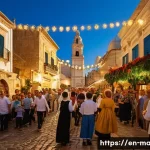
Malta is a predominantly Catholic country, and its religious heritage is deeply ingrained in its culture. You’ll see beautiful churches in every town and village, and religious feasts (festas) are a significant part of local life, especially during the summer months.
When visiting churches or other religious sites, it’s customary to dress modestly. This usually means covering your shoulders and knees. I always carry a light scarf or a shawl in my bag, which is perfect for quickly adapting my outfit if I decide to pop into a church on a whim.
During festas, while they are joyous and vibrant events, be mindful of the procession routes and local traditions. These are community events, and while tourists are welcome to observe, it’s important to do so respectfully.
Also, you’ll find that family values are very strong in Maltese society, and public displays of affection, while common in some places, are generally more subdued here, especially outside of major tourist areas.
Being mindful of these small cultural nuances shows respect and ensures a smoother, more enjoyable interaction with the local community, making your visit even more authentic.
Transportation Tales: Getting Around Safely
Getting around Malta is part of the adventure, and thankfully, it’s generally a very safe endeavor. Whether you’re zipping around on the public bus, hailing a taxi, or even daring to rent a car, you’ll find a range of options.
My personal preference often depends on where I’m going. For exploring cities like Valletta or Mdina, I absolutely adore walking – it’s the best way to soak in the atmosphere and stumble upon hidden gems.
For longer distances, the public bus system (Tallinja) is incredibly comprehensive and a budget-friendly way to see the island. I’ve spent many hours riding the buses, watching the scenery unfold, and have always felt secure.
That being said, during peak tourist season or rush hour, buses can get very crowded, so keep an eye on your belongings. Taxis and ride-sharing apps like Bolt are also readily available and a good option for late-night trips or when you’re looking for door-to-door convenience.
My advice is always to confirm the fare or ensure the meter is running before setting off with a taxi driver to avoid any surprises.
Public Transport Pointers
The public bus system in Malta is an essential lifeline for both locals and tourists, connecting nearly every corner of the islands. From my experience, it’s a generally safe and reliable way to travel.
I’ve used it extensively to get from my accommodation in St. Julian’s all the way down to the Blue Grotto or up to the ferry for Gozo. However, like any busy public transport system, it pays to be vigilant.
During peak times, especially around major tourist attractions or during the evening commute, buses can become very crowded. This is when pickpockets can sometimes operate.
I always make sure my backpack is in front of me, or my cross-body bag is securely fastened. It’s also a good idea to have your ticket or Tallinja card ready before boarding to keep the queue moving and avoid fumbling with cash.
While most bus drivers are friendly, they’re often on a tight schedule, so a quick and efficient boarding process is appreciated. Remember, punctuality can sometimes be a bit flexible in Malta, so factor in a little extra travel time, especially if you have a tight schedule or a flight to catch.
Taxis, Ride-Sharing, and Car Rentals
For those times when public transport just doesn’t cut it, taxis and ride-sharing services like Bolt are excellent alternatives, offering more convenience and direct routes.
I’ve used Bolt extensively in Malta, particularly for late-night returns from dinner or when carrying a lot of luggage. The app works just like Uber or Lyft, showing you the fare upfront and tracking your journey, which adds a layer of safety and transparency.
For traditional taxis, always look for the white, metered taxis or pre-book through a reputable company. I’ve heard stories (though thankfully never experienced one myself) of unregistered taxis trying to overcharge tourists, so being smart about your choice is key.
If you’re considering renting a car, know that driving on the left can be a challenge, and parking in popular areas like Valletta or Sliema can be difficult and expensive.
However, having a car does offer incredible freedom to explore the more remote and stunning parts of the island at your own pace. Just be prepared for narrow, winding roads and confident local drivers!
Always ensure your rental car is fully insured, and do a quick check for any existing damage before driving off the lot.
Nightlife & Socializing: Enjoying Malta After Dark
Malta truly comes alive after dark, especially in areas like Paceville in St. Julian’s, which is famous for its vibrant nightlife. From cozy wine bars in Valletta to lively clubs, there’s something for everyone.
I’ve spent many wonderful evenings enjoying the Maltese nightlife, sipping on local wines and chatting with both locals and fellow travelers. The atmosphere is generally very friendly and energetic, and I’ve always felt safe walking around, even late at night, in the main tourist areas.
However, as with any bustling nightlife district anywhere in the world, exercising common sense is paramount. It’s easy to get caught up in the excitement, but being aware of your surroundings and taking precautions, especially concerning your drinks and personal belongings, will ensure a fun and memorable night out.
I always make sure I know how I’m getting home beforehand, whether it’s a pre-booked taxi or a ride-sharing service, and I never wander off alone in unfamiliar, dimly lit areas.
Remember, having a great time doesn’t mean letting your guard down completely.
Smart Socializing and Drink Safety
When you’re out enjoying Malta’s bars and clubs, especially in Paceville, it’s crucial to be mindful of your drinks and company. I always make sure to keep an eye on my drink, especially if I’m at a crowded bar.
Accepting drinks from strangers is generally not a good idea unless you’ve seen it poured yourself. It sounds basic, but in a lively atmosphere, it’s easy to get distracted.
Knowing your limits is also key – nobody wants to be in a vulnerable situation because they’ve had too much to drink. If you’re out with friends, it’s a great idea to stick together and look out for each other.
I’ve always found that having a buddy system in place, especially when hitting multiple venues, really helps. If you do feel unwell or suspect something is wrong with your drink, don’t hesitate to seek help from bar staff or a trusted friend.
The goal is to have an unforgettable night for all the right reasons, and smart socializing is a big part of that.
Late-Night Returns and Personal Security
The journey home after a fantastic night out is just as important as the night itself. In Malta, particularly from popular nightlife spots, taxis and ride-sharing services are abundant, which is a huge plus.
I’ve found booking a Bolt is usually the safest and most convenient option, as you can track your journey and share your ETA with a friend or family member.
Avoid walking alone down poorly lit or deserted streets, even if they seem like a shortcut. It’s just not worth the risk. If you are walking, try to stick to well-lit, busy areas, and if you can, walk with a companion.
Having your phone charged and easily accessible is also a good idea for emergencies. I remember one time, my phone battery died unexpectedly after a night out, and finding a taxi became a much bigger hassle.
Since then, a portable power bank is a permanent fixture in my going-out bag. These small preparations make all the difference, ensuring your late-night adventures in Malta end as safely and smoothly as they began.
Emergency Preparedness: What to Do If Things Go Wrong
While Malta is incredibly safe, being prepared for any eventuality is a cornerstone of responsible travel. Think of it like carrying a spare tire – you hope you won’t need it, but you’re profoundly grateful if you do.
Knowing the local emergency numbers and having a basic understanding of where to go for help can make a huge difference in a stressful situation. I always make sure to save the local emergency numbers in my phone as soon as I arrive in a new country.
It’s a small step that can save precious minutes. Also, having a small first-aid kit with essentials like band-aids, antiseptic wipes, and pain relievers for minor scrapes or headaches can be a lifesaver.
While it’s rare to encounter serious issues, knowing that you have resources and information at your fingertips will give you immense peace of mind, allowing you to focus on enjoying your trip rather than fretting about what-ifs.
It’s about being proactive, not paranoid, and ensuring you’re empowered to handle minor bumps in the road.
Key Emergency Contacts and Services
Having the right numbers at your fingertips is absolutely crucial. In Malta, the universal emergency number for police, ambulance, and fire services is 112.
This is the one number you absolutely must know and save in your phone. I also recommend jotting down the contact details for your country’s embassy or consulate in Malta.
They can be an invaluable resource if you lose your passport, need legal assistance, or encounter a more serious emergency. Furthermore, knowing the location of the nearest hospital or a reputable pharmacy can also be very helpful.
The main public hospital is Mater Dei Hospital in Msida, which offers comprehensive services. For minor ailments, local pharmacies are abundant and often provide basic advice and over-the-counter remedies.
I make a habit of taking a photo of my accommodation’s address and contact number too, just in case I need to explain my location in an emergency or to a taxi driver.
Essential Emergency Information for Travelers
| Service | Contact Number | Notes |
|---|---|---|
| General Emergency (Police, Ambulance, Fire) | 112 | Universal European Emergency Number. |
| Local Police (Non-Emergency) | +356 2122 4001 | For non-urgent matters or reporting a crime after the fact. |
| Mater Dei Hospital (Msida) | +356 2545 0000 | Malta’s main public hospital. |
| Your Embassy/Consulate | (Check specific country details) | For passport issues, legal aid, or serious emergencies. |
| Lost & Found (Police) | +356 2122 1111 | For reporting lost items. |
It’s also wise to share your travel itinerary with a trusted friend or family member back home. Let them know your flight details, where you’re staying, and your general plans.
This way, someone always knows your whereabouts. Before I travel, I also make sure I have comprehensive travel insurance. It’s an investment that can save you a world of financial and emotional stress if you face unexpected medical emergencies, trip cancellations, or lost luggage.
I’ve personally had to use travel insurance once for a minor medical issue abroad, and it was a huge relief knowing I was covered. Double-check what your policy covers and carry your policy details with you.
These layers of planning might seem a lot, but they create a robust safety net, allowing you to explore Malta with confidence and peace of mind.
Coastal Adventures: Water Safety and Sun Smarts
Malta is an island paradise, and for many, the main draw is its stunning Mediterranean coastline, crystal-clear waters, and glorious sunshine. From diving in Gozo’s Blue Hole to lounging on Golden Bay, water activities and sun worship are a huge part of the Maltese experience.
I absolutely adore spending my days by the sea, whether it’s swimming, snorkeling, or simply soaking up the rays. And while the allure of the Mediterranean is undeniable, it’s crucial to approach coastal activities with a healthy dose of respect and smart planning.
The sea can be unpredictable, and the sun, while glorious, can also be unforgiving. I’ve seen tourists get incredibly sunburnt on their first day, which can truly dampen the rest of their trip.
My personal rule of thumb is to always check local conditions before heading out for a swim or a boat trip, and to never underestimate the power of the sun.
Being prepared means you can fully enjoy every moment of Malta’s beautiful coastline without any unexpected mishaps.
Swimming, Snorkeling, and Boating Safety
The sparkling turquoise waters of Malta are incredibly inviting, and swimming or snorkeling in them is an absolute must-do. I’ve spent countless hours exploring the underwater world, and it’s truly magical.
However, it’s important to be mindful of a few things. Always swim in designated areas, especially if you’re not a strong swimmer. Some areas might have strong currents, even if the surface looks calm.
Look out for warning flags on beaches, and if in doubt, don’t go out. If you’re going snorkeling or diving, always go with a reputable tour operator and ensure your equipment is in good condition.
I always check my mask and fins before heading into the water. For boat trips, whether it’s a ferry to Comino’s Blue Lagoon or a private charter, make sure you know where the life jackets are and listen carefully to the captain’s safety briefing.
Over the years, I’ve learned that having fun in the water goes hand-in-hand with being smart and respectful of the sea’s power.
Sun Protection and Hydration in the Mediterranean Heat
Malta’s sunshine is one of its biggest assets, but it demands respect, especially during the long summer months. The Mediterranean sun can be incredibly intense, and sunburn is not just uncomfortable; it’s a serious health risk.
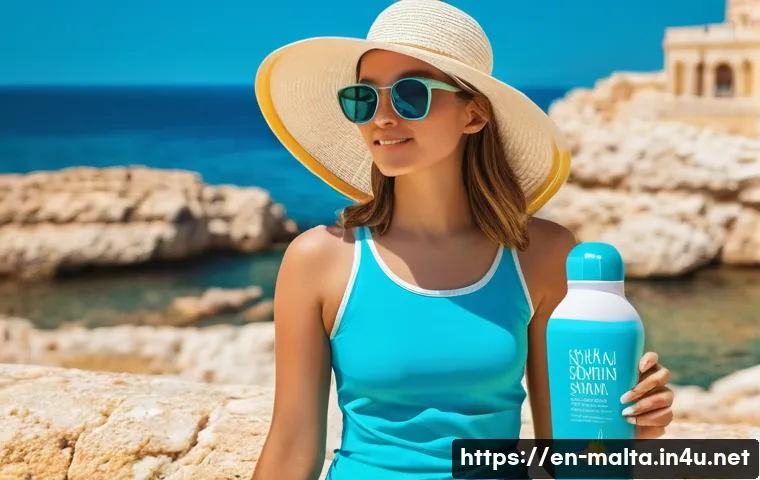
My absolute non-negotiables for a day out in the sun are high-factor sunscreen (at least SPF 30, reapplied frequently, especially after swimming), a wide-brimmed hat, and sunglasses.
I always try to seek shade during the hottest part of the day, usually between 11 AM and 3 PM, opting for a leisurely lunch indoors or a break at my accommodation.
Hydration is also key! I always carry a reusable water bottle and make sure to drink plenty of fluids throughout the day, even if I don’t feel particularly thirsty.
Dehydration can sneak up on you quickly in this climate. I once underestimated the sun on a cloudy day and ended up with a nasty burn, which really taught me a lesson.
Learning from that, I now apply sunscreen religiously and make sure to stay hydrated, ensuring my days by the Maltese sea are nothing but pure bliss.
Health & Wellness: Staying Healthy on Your Maltese Adventure
Beyond the thrills of exploration, taking care of your health is crucial for an enjoyable trip to Malta. From avoiding a nasty tummy bug to dealing with unexpected medical needs, a little foresight goes a long way.
I always make sure to pack any prescription medications I need, along with a copy of the prescription, just in case. It’s also a good idea to have a basic understanding of where to access medical care.
Thankfully, Malta has a modern healthcare system, and pharmacies are widely available, often staffed by knowledgeable pharmacists who can offer advice for minor ailments.
Staying healthy isn’t just about avoiding illness; it’s about making smart choices that support your well-being throughout your journey. I’ve learned that a combination of proactive planning, good hygiene practices, and being mindful of local conditions can significantly reduce the chances of health-related setbacks, allowing you to fully immerse yourself in the Maltese experience without any worries.
Food and Water Safety Best Practices
Exploring Malta’s culinary delights is an absolute treat, from pastizzi to fresh seafood. I’ve enjoyed countless meals, and generally, food safety standards are very good.
However, like anywhere, it pays to be discerning, especially when trying street food or eating at less established places. My personal rule is “if it looks good and smells good, it probably is!” But beyond that, I always make sure food is cooked thoroughly, especially meats and seafood.
When it comes to water, tap water in Malta is generally safe to drink, but it is often desalinated and can have a slightly different taste that some people might not prefer.
I usually stick to bottled water for drinking, especially when I first arrive, just to avoid any potential stomach upsets while my body adjusts. For brushing teeth or cooking, tap water is perfectly fine.
I also wash my hands frequently, especially before eating, as this simple habit is incredibly effective at preventing the spread of germs and keeping those pesky travel bugs at bay.
Accessing Medical Care and Travel Insurance
Despite our best efforts, sometimes things just happen. A sudden upset stomach, a sprained ankle from an uneven cobblestone street, or a persistent cough can all put a damper on your vacation.
This is where knowing how to access medical care quickly and efficiently comes in. As I mentioned, Malta has excellent medical facilities, with Mater Dei Hospital being the main public hospital.
For less serious issues, local pharmacies are often the first port of call, and they can provide advice and over-the-counter remedies. For more specific consultations, general practitioners are available, and your accommodation provider can usually help you find a reputable clinic.
Critically, before you even leave home, ensure you have comprehensive travel insurance. I cannot stress this enough! Medical emergencies abroad can be incredibly expensive, and travel insurance acts as your financial safety net.
I always carry my insurance policy details, including emergency contact numbers, with me. It’s a small investment that offers immense peace of mind and ensures that if a health issue arises, you can focus on recovery rather than financial strain.
Wrapping Up Your Maltese Adventure
As we bring our little chat about staying safe in Malta to a close, I hope you feel even more excited and prepared for your own incredible journey. My goal, always, is to share what I’ve genuinely experienced and learned so that your travels are as smooth and memorable as mine have been. Malta is, without a doubt, a truly special place – a sun-drenched haven brimming with history, stunning coastlines, and a warmth that extends from its climate to its people. While we’ve covered a lot of ground on being mindful and prepared, please let that not overshadow the immense joy and wonder that awaits you on these islands. It’s all about empowering yourself with knowledge, so you can fully relax, soak it all in, and create stories you’ll cherish forever. Remember, a little common sense and respect for local customs go an incredibly long way in ensuring your trip is not just safe, but also deeply enriching and authentically Maltese.
Handy Tips for a Seamless Trip
Here are a few extra nuggets of information I’ve picked up along the way that I think you’ll find super helpful for navigating Malta like a local:
1. Currency and Payments: Malta uses the Euro (€), just like many other European countries. You’ll find ATMs widely available, especially in towns and tourist areas. Credit and debit cards are generally accepted in most shops, restaurants, and hotels, but it’s always a good idea to carry a bit of cash for smaller purchases, street vendors, or when exploring more remote villages where card machines might be less common. I usually budget a small amount of daily cash for spontaneous treats like pastizzi or a local craft item.
2. Language Barrier? Not Really!: While Maltese is the national language, English is an official language and incredibly widely spoken throughout the islands. You’ll have no trouble communicating, whether you’re ordering food, asking for directions, or chatting with locals. However, trust me, learning a few basic Maltese phrases like “Bonġu” (good morning), “Grazzi” (thank you), and “Jekk jogħġbok” (please) will not only be appreciated but often bring an extra smile and warmth to your interactions. It shows you’re engaging with their beautiful culture!
3. Electrical Outlets: This is a common travel hiccup, so let me save you the trouble! Malta uses Type G electrical sockets, which are the same as those found in the UK, Ireland, and some other countries. The standard voltage is 230V, and the frequency is 50Hz. So, if you’re coming from North America or other regions with different plug types or voltage, make sure you pack a universal adapter. I always keep a couple in my bag – better safe than sorry, especially when you need to charge your phone after a day of snapping photos!
4. Tipping Etiquette: Tipping in Malta isn’t as rigidly structured as in some other countries, but it’s definitely appreciated for good service. In restaurants, a tip of around 5-10% of the bill is a common gesture if you’re happy with the meal and service. For taxi drivers, rounding up the fare is customary. For hotel staff, a couple of Euros for porters or housekeepers is a nice way to show your thanks. Generally, if you receive excellent service, a small tip is a kind acknowledgment of their effort and always puts a smile on their face!
5. Public Holidays and Festas: Malta has a vibrant calendar of public holidays and religious festas, especially during the summer months. While these are incredibly joyous and colourful events – think fireworks, band marches, and street decorations – they can also mean that some shops, banks, and businesses might be closed, or public transport routes altered. Always check the local calendar if your trip coincides with a major festa, as popular areas can get very crowded. On the flip side, experiencing a local festa is an unforgettable cultural immersion, so if you get the chance, absolutely embrace the festive spirit!
Essential Reminders for Your Maltese Journey
To ensure your Maltese adventure is truly everything you dream of, let’s quickly recap the absolute must-knows. First and foremost, always maintain a keen awareness of your surroundings, especially when navigating crowded markets, bus terminals, or bustling nightlife spots. Keeping your valuables secure – think front pockets, zipped bags, and using hotel safes – will save you a world of worry and allow you to fully immerse yourself in the moment. Remember that respect for local customs, from dressing modestly at religious sites to understanding the relaxed pace of life, genuinely enhances your interactions and overall experience. Crucially, prioritize your personal safety by planning your transportation, being mindful of your drinks, and always having emergency contacts readily available. Finally, don’t underestimate the Mediterranean sun and sea; stay hydrated, use plenty of sun protection, and swim in designated areas. By keeping these simple yet powerful tips in mind, you’re not just traveling; you’re creating a safe, unforgettable, and deeply authentic connection with the enchanting islands of Malta. Enjoy every glorious second!
Frequently Asked Questions (FAQ) 📖
Q: I’ve heard Malta is super safe, but what’s the real deal with petty crime? Should I be worried about my bag or wallet?
A: Okay, let’s get real for a sec. Malta genuinely boasts one of the lowest crime rates in Europe, and honestly, that’s one of the things I absolutely adore about it!
When I was there, I felt incredibly secure, even wandering around late at night in Valletta or Mdina. However, like any popular tourist spot on the planet – think Paris or Rome – you’ll always find opportunists.
So, while you shouldn’t be worried to the point of constantly clutching your purse, it’s smart to be aware. I always advise keeping your phone and wallet in a secure, zipped pocket, especially in bustling areas like the ferry terminals, crowded bus stops, or during peak festival times.
Honestly, just using a bit of common sense, like not leaving your phone unattended on a cafe table, goes a long, long way. It’s not about fear; it’s about being street smart and keeping your valuables out of sight, just like you would anywhere else.
Q: What about Malta’s famous nightlife, especially in Paceville? Is it safe to go out and enjoy the bars and clubs?
A: Oh, Paceville! That’s where the party truly comes alive, and trust me, I’ve had some unforgettable nights there! It’s a fantastic place to let loose, dance, and meet people.
Generally, it’s safe and vibrant. However, just like any energetic nightlife district worldwide, it can get a bit wild, especially in the wee hours. My top tips?
Firstly, always keep an eye on your drink – I’ve seen too many instances where someone’s glass gets “accidentally” swapped or topped up. Also, stick with your friends if you’re in a group.
If you’re solo, try to stay in well-lit, populated areas and always ensure you have a safe way home, whether that’s a pre-booked taxi or a ride-sharing app.
Don’t be afraid to trust your gut feeling; if a situation feels off, it probably is. Enjoy the music, enjoy the atmosphere, but always prioritize your safety!
Q: I’m planning to explore a lot and maybe even drive around. How safe is getting around Malta, whether by public transport or car?
A: Getting around Malta is part of the adventure, for sure! From my own experience, public transport, especially the bus system, is super reliable and a great way to see the island.
It’s generally very safe, even for solo travelers. The buses can get pretty crowded, particularly during peak tourist season, so that’s another spot where I’d recommend keeping an eye on your belongings, just like in Q1.
Now, driving… that’s a whole different ballgame! The roads can be narrow, winding, and let’s just say Maltese drivers have a distinct style!
While it’s not inherently “unsafe” in terms of crime, it requires a lot of focus and confidence behind the wheel, especially if you’re not used to driving on the left.
I personally opted for a mix of buses and ride-sharing services (they’re widely available and super convenient!) because I preferred enjoying the scenery rather than navigating the often-busy traffic and tricky parking.
If you do rent a car, just be extra vigilant, take your time, and remember that sometimes, slower is safer.