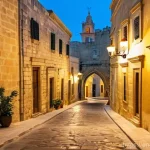
Hey there, fellow explorers and culture enthusiasts! Have you ever found yourself wandering through the ancient streets of Valletta, only to be struck by the sheer number of breathtaking churches dotting the landscape?
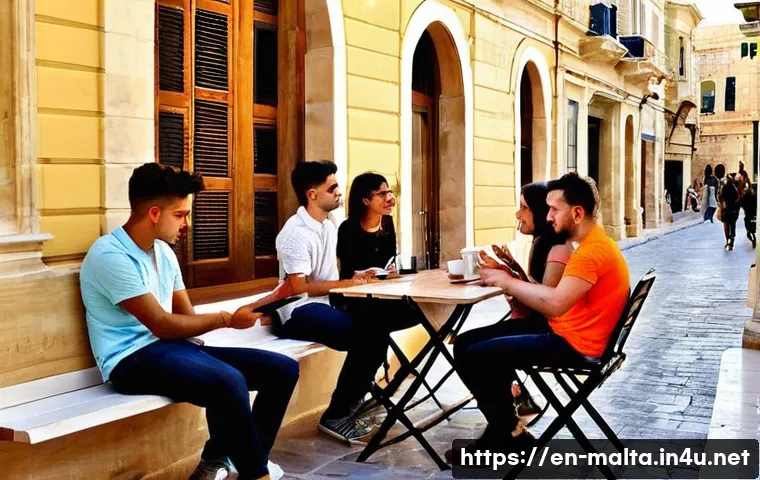
I know I have, and every time, it sparks my curiosity about what truly shapes a nation’s soul. Malta, that sun-drenched jewel in the Mediterranean, is a place where history whispers from every stone, and its religious fabric is as rich and intricate as its storied past.
While it’s widely known for its deep-seated Catholic traditions, with Roman Catholicism enshrined as the state religion and over 80% of citizens identifying as such, a recent peek behind the curtains reveals a fascinating evolution.
The island’s spirit, much like a living, breathing entity, is undergoing a subtle yet significant shift. We’re seeing a fascinating interplay between deeply rooted historical faith, dating back to St.
Paul’s shipwreck in 60 AD, and the undeniable currents of modern secularization. Church attendance, once a near-universal practice, has seen a steady decline, particularly among the younger generation, highlighting a changing cultural landscape.
But it’s not just about less practice; Malta’s vibrant economy and growing appeal to international residents mean its religious demographic is becoming wonderfully diverse, welcoming new communities of Muslims, Orthodox Christians, and Hindus to its shores.
This isn’t just a statistical change; it’s a living, breathing transformation happening in real-time, influencing everything from daily life to public discourse and cultural celebrations.
It truly makes you wonder how a nation so deeply steeped in tradition navigates such modern complexities. What does this mean for Malta’s future, and how is its identity being redefined right before our eyes?
Let’s dive in and truly unravel this captivating story together.
The Enduring Echoes of Faith: Malta’s Catholic Heart
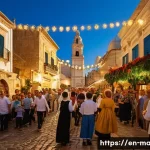
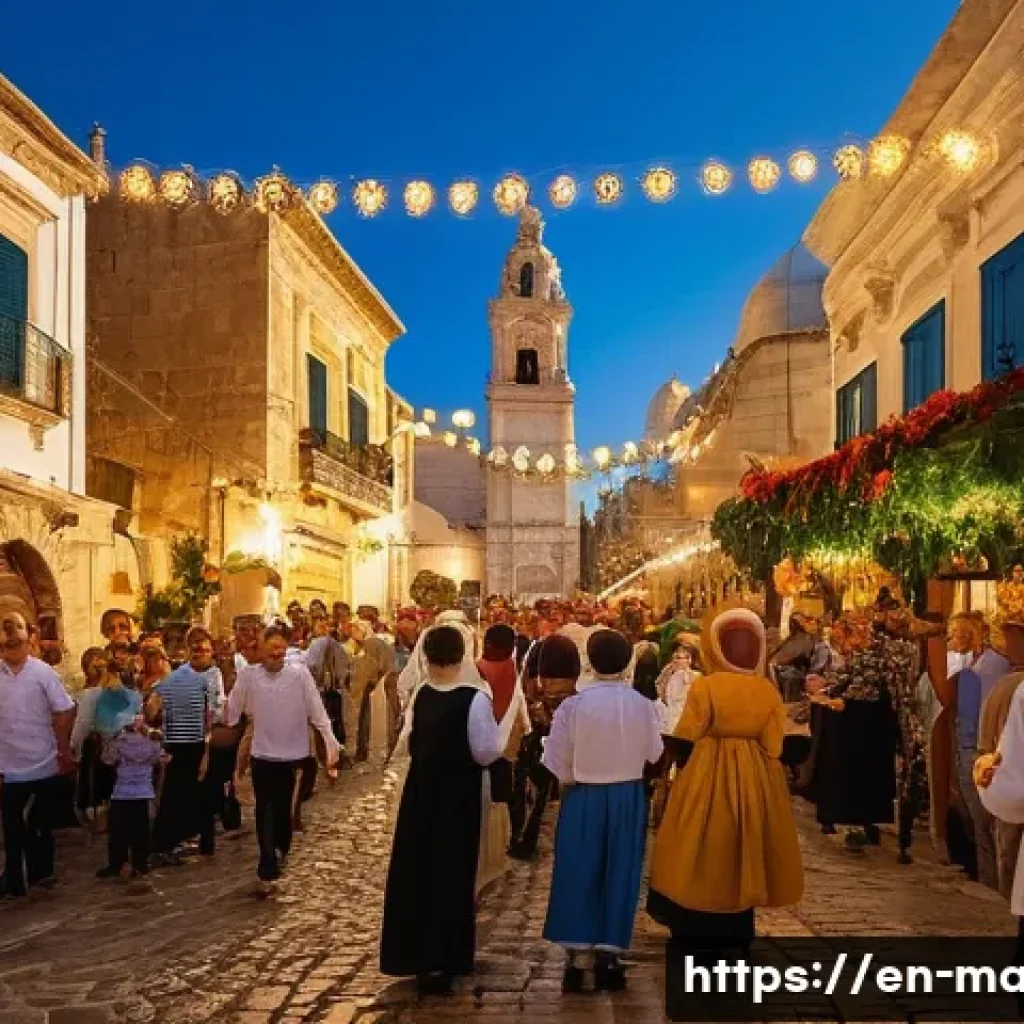
Stepping onto Malta, you immediately feel the strong pulse of its Catholic heritage. It’s woven into the very fabric of daily life, from the countless elaborate churches in every village, each a masterpiece of Baroque artistry, to the calendar punctuated by vibrant festa celebrations. I’ve personally been captivated by the sheer devotion you witness during these feast days, where entire communities come alive with processions, fireworks, and intricate street decorations. It truly feels like walking through history, experiencing traditions that have been passed down through generations. This isn’t just a superficial display; it runs deep, rooted in a history that dates back to the shipwreck of St. Paul in 60 AD. The story goes that he converted the Roman governor Publius, setting the stage for centuries of unwavering Catholic faith. Even today, despite the evolving landscape, Roman Catholicism remains the state religion, a testament to its profound historical and cultural significance. The 2021 census data shows that a significant majority, about 82.6% of residents aged 15 and over, still identify as Roman Catholic. It’s a powerful cultural marker, especially for Maltese citizens, with over 90% identifying as Catholic, even among younger age groups, though this dips slightly among the youngest. This deep connection is something you don’t just read about; you feel it in the air, in the quiet reverence of a village church, and the joyful noise of a local festa.
Tracing the Apostolic Roots
The tale of St. Paul’s arrival isn’t just a historical footnote here; it’s a foundational myth that shapes Malta’s self-identity. The island proudly embraces its role in early Christianity, and this apostolic legacy has been a constant source of strength and cultural cohesion. When I visited St. Paul’s Grotto in Rabat, I really felt that tangible connection to such an ancient past. It wasn’t just a tourist spot; it was a sacred space where the very beginnings of Maltese faith took root. This deep-seated narrative has always provided a sense of continuity and a collective identity, especially during times of foreign rule when faith often became a unifying force. The sheer number of churches, over 360 across the islands, averaging one for every 1,380 residents, really puts into perspective how central the Church has been to community life for centuries.
The Enduring Power of Tradition
Beyond the grand narratives, it’s the everyday traditions that keep the Catholic spirit alive for many. Think of the weekly Mass, the catechism classes, the rites of passage like baptisms, first communions, and confirmations. While attendance might be shifting, these rituals still hold immense significance for families. I’ve had conversations with locals who, even if they don’t attend Mass every Sunday, still feel a profound connection to these traditions as part of their heritage. They speak of the comfort and community these practices bring, especially during challenging times. It’s a shared language of faith that transcends generations, offering a sense of belonging and continuity in a rapidly changing world. The architectural beauty of the churches, like St. John’s Co-Cathedral, also serves as a constant, visually stunning reminder of this rich legacy.
A Quiet Revolution: The Rise of Secularism
While Malta’s Catholic identity is undeniably strong, there’s a subtle yet profound shift happening beneath the surface. I’ve observed a growing trend towards secularism, particularly among the younger generation, that’s reshaping how faith is practiced and perceived. It’s not necessarily a rejection of spirituality, but rather a re-evaluation of the role of organized religion in modern life. The statistics paint a clear picture: weekly Mass attendance has seen a steady decline. Back in 1967, it was as high as 82%, but by 2005, it had dropped to 52%, and more recent reports suggest it’s even lower, around 37% or even 36.1% of the Catholic population. This is a significant drop that I’ve personally noticed in the fewer crowded pews, especially outside of major feast days. It tells a story of changing priorities and a more individualistic approach to belief. What was once a near-universal social obligation is now more of a personal choice, and that distinction is incredibly powerful for understanding Malta today. It’s creating a fascinating dynamic where tradition and modernity are constantly negotiating their space.
Beyond the Church Doors: Shifting Priorities
For many, life’s demands and new cultural influences are taking precedence over strict religious observance. The internet, global travel, and Malta’s EU membership have opened up new avenues of thought and experience. I’ve talked to young Maltese who express a belief in God but don’t feel the need to adhere to institutional practices. It’s like they’re searching for spiritual meaning on their own terms, outside the traditional confines. This isn’t unique to Malta, of course, but it’s particularly striking in a country that has historically been so devout. The influence of the Catholic Church on public discourse, while still present, is less absolute than it once was, reflecting a society that is becoming more pluralistic in its values. Legislation around divorce, civil unions, and same-sex marriage, which were once highly contentious and fiercely debated with strong Church opposition, have been legalized in recent years, demonstrating a clear shift in societal attitudes.
The Youth and a New Path
It’s the younger age groups where this secularization trend is most pronounced. Surveys show a significant drop in church attendance among those under 30. For instance, mass attendance for those up to 14 years old halved from 42% in 2005 to 22% in 2017, and for 15-24 year olds, it dropped from 40% to 19%. A 2021 survey found that only 36% of youths (16-30) considered themselves religious, despite many still believing in God. It’s almost as if belief in a higher power is separating from adherence to organized religion. I’ve chatted with many Gen Z and Millennial Maltese who identify as spiritual but not religious, or simply state “no religious affiliation.” This indicates a fundamental change in how faith is perceived and practiced by the rising generations, perhaps leaning towards a more personal, less institutional form of spirituality, or even no spirituality at all. They’re often more comfortable with diverse viewpoints and less tied to dogmatic structures, reflecting a broader global trend but one that’s very new for Malta.
Malta’s Mosaic: Welcoming New Spiritual Journeys
One of the most exciting aspects of Malta’s evolving spiritual landscape is the beautiful diversification I’m seeing. Beyond the traditional Catholic framework, the island is becoming a vibrant mosaic of different faiths and beliefs, largely driven by its growing appeal to international residents and workers. It’s truly fascinating to witness this transformation firsthand. The influx of people from various corners of the globe has naturally brought with it a rich tapestry of religious practices, adding new colors to Malta’s cultural canvas. This demographic shift is not just a statistical anomaly; it’s a living, breathing reality that you can observe in new community centers, places of worship, and even in the subtle changes to local customs. I remember feeling a genuine sense of global connection when I first noticed a diverse group gathering for prayer in an area that, just a decade ago, would have been almost exclusively Catholic. It really underscores how dynamic and adaptable this small island nation truly is, embracing a broader definition of community and spirituality. This isn’t to say it’s without its challenges, but the overall trend points towards a more inclusive and understanding society.
A Melting Pot of Beliefs
Malta’s growing economy and its status as an attractive destination for expatriates have led to a significant increase in its non-Maltese population, which now constitutes over 22% of the total, surpassing 115,000 individuals. These new residents bring with them a diverse array of faiths, dramatically altering the religious makeup. For example, the 2021 census data, which provides the most recent comprehensive picture, reveals a notable presence of Muslims (3.3%), Orthodox Christians (3.1%), and Hindus (1.2%) among the population aged 15 and over. There are also smaller but significant communities of Anglicans, Protestants, Buddhists, and Jews. This vibrant mix has led to the establishment of new places of worship, like the mosque which has been in Malta since the 1970s and is now expanding to accommodate a growing Muslim population, and various Orthodox churches utilizing facilities or seeking to build their own. It’s a powerful illustration of how global migration patterns are directly influencing the local religious landscape, creating a more multi-confessional society right before our eyes. The island is truly becoming a microcosm of global religious diversity, and it’s exciting to see how these different spiritual paths are finding their place here.
Celebrating Diversity, Together
What’s truly heartwarming to see is how these diverse religious communities are not just coexisting, but often interacting and even collaborating. There’s a growing appreciation for interfaith dialogue and understanding. For example, I’ve heard stories of Greek Catholic churches making their premises available for Russian Orthodox congregations, and various Roman Catholic parishes offering facilities to other Orthodox groups. This kind of openness, while perhaps not universal, signals a promising shift towards a more inclusive societal fabric. The government itself has also taken steps to promote religious freedom and interfaith understanding, hosting events like Holocaust memorial commemorations and fostering dialogue. It’s still a work in progress, of course, and there are always discussions around ensuring equal treatment for all faiths, but the general direction is towards embracing this newfound diversity. As someone who loves to explore cultures, seeing different communities celebrate their unique traditions while also finding common ground is incredibly inspiring and truly adds to Malta’s unique charm. The country’s legal framework explicitly guarantees freedom of conscience and religious worship, prohibiting religious discrimination, even though Catholicism remains the state religion.
Bridging the Generations: Faith in a Modern Age
This evolving spiritual landscape naturally brings up a fascinating question: how is faith being transmitted, or perhaps transformed, across generations in Malta? It’s a question I’ve pondered quite a bit, having observed the strong traditional ties of the older generation versus the more exploratory, and sometimes unchurched, approach of the young. It’s not a simple case of ‘old vs. new’; rather, it’s a complex interplay of inherited values, modern influences, and individual choices. When I speak with older Maltese, there’s often a deep-seated pride in their Catholic identity, almost an intrinsic link between being Maltese and being Catholic. For them, faith is a cornerstone of their very being. But then you look at younger people, and while many still retain a spiritual belief, the practical expressions of that belief are undeniably shifting. This generational gap creates a really interesting dynamic, presenting both challenges and opportunities for the future of religious life on the island. It’s like watching a cultural tide come in, slowly but surely reshaping the shoreline.
Passing Down the Torch?
The traditional method of passing down faith through family and catechism classes is still very much alive, but its effectiveness is undeniably facing new pressures. Grandparents and parents often hold dear to the rituals and teachings that shaped their own lives, and they genuinely want to share that with their children and grandchildren. However, the younger generations are growing up in a vastly different world, exposed to countless diverse perspectives from a very early age. What was once a given for their elders – regular Mass attendance, strict adherence to Church doctrine – is now subject to personal scrutiny and choice. While many still undergo rites like baptism and confirmation, the subsequent engagement with the Church often tapers off significantly. It’s a challenging balancing act for families who want to honor their heritage while also respecting the individual autonomy of their children in an increasingly secularized world. I’ve personally heard parents express concerns about their children drifting away from the Church, while also acknowledging the importance of personal freedom of belief. It’s a conversation happening in many Maltese homes, reflecting a quiet but significant transformation.
Finding Meaning Outside Traditional Walls
Perhaps one of the most striking observations is that while formal church attendance is declining among the youth, it doesn’t necessarily mean a complete abandonment of spirituality or moral compass. Many young Maltese are, as I’ve gathered from conversations, seeking meaning and purpose in other areas of their lives. This might manifest as engagement in social causes, environmental activism, or simply cultivating a personal sense of ethics and community involvement that isn’t explicitly tied to a religious institution. A survey revealed that nearly half of Maltese youths believe in God, but not necessarily in organized religion, with significant numbers of Gen Z and Millennials not feeling connected to a specific church. It’s a powerful indicator that while the traditional structures of faith might be weakening for some, the underlying human need for connection, meaning, and a sense of something larger than oneself persists, simply finding new outlets in modern Malta. This shift requires a broader understanding of what “faith” truly means in contemporary society, moving beyond institutional definitions.
The Cultural Tapestry: How Religion Weaves into Maltese Life
It’s truly impossible to talk about Malta without acknowledging the profound way religion has woven itself into every fiber of its cultural tapestry. From ancient times, faith hasn’t just been a personal belief system; it’s been the bedrock of societal norms, artistic expression, and even daily rhythms. I’ve often felt that the island itself breathes Catholicism, a sentiment echoed in its architecture, its festivals, and its very language. This deep integration means that even as secularization grows, the cultural imprints of religion remain powerful and pervasive. It’s a complex and beautiful inheritance, one that shapes everything from public holidays to the way people interact in their communities. Experiencing a festa, for instance, isn’t just a religious observance; it’s a deeply cultural event, bringing families and neighbors together in a uniquely Maltese way. It reminds you that culture and religion are often inextricably linked, creating a rich and unique identity for the island.
From Feast Days to Public Discourse
Malta’s calendar is punctuated by an impressive array of religious feast days, or *festi*, each celebrating a patron saint with immense fervor. These aren’t just solemn occasions; they are vibrant community celebrations that bring entire towns to life with music, fireworks, and elaborate street decorations. I’ve been lucky enough to witness several *festi*, and the energy is absolutely infectious – it’s a beautiful blend of religious devotion and joyful communal gathering. Even if some people participate more for the cultural aspect than the strictly religious, the roots are undeniably sacred. Beyond the festivities, religious values have historically informed public discourse and societal debates, particularly on moral and ethical issues. While the Church’s direct influence on political decisions may have diminished, its teachings still resonate with a significant portion of the population and contribute to the ongoing conversations about social justice, family values, and community welfare. It’s a continuous dialogue between inherited morality and evolving societal norms, making for a fascinating cultural landscape.
Art, Architecture, and Spirituality
Walk through any town or city in Malta, and you’ll be struck by the omnipresence of religious art and architecture. Every street seems to boast a niche with a statue of a saint, and the parish churches are not merely places of worship but architectural marvels, richly adorned with paintings, sculptures, and gold leaf. These buildings aren’t just structures; they are testaments to centuries of faith, artistic patronage, and communal effort. I’ve spent hours simply admiring the intricate details of a church ceiling or the dramatic intensity of a Caravaggio painting in St. John’s Co-Cathedral, and each time, I’m reminded of the profound spiritual devotion that inspired such beauty. The art itself tells stories, not just of biblical events, but of the people’s faith and their connection to the divine. This rich artistic heritage serves as a constant, tangible reminder of Malta’s spiritual depth, influencing the aesthetic sensibilities and cultural identity of its people, even those who might not be actively religious.
Navigating the Future: Identity in Flux
As Malta continues to evolve, embracing both global influences and internal shifts, its national identity finds itself in a fascinating state of flux. It’s a small island nation with a long and storied history, now grappling with what it means to be Maltese in an increasingly diverse and secular world. The interplay between its deep-rooted Catholic heritage and the new currents of multiculturalism and individual expression is creating a dynamic, sometimes challenging, but ultimately enriching environment. I often find myself wondering how these different threads will weave together to form the Malta of tomorrow. It’s not about losing the past, but rather about integrating new elements into a rich existing framework. This isn’t a static process; it’s a living, breathing transformation, happening in real-time, and being here to witness it is truly a privilege. It demands adaptability, open dialogue, and a willingness to redefine what “Maltese” truly means.
Redefining Maltese Identity
For centuries, being Maltese and being Roman Catholic were almost synonymous. This strong identification provided a clear sense of national character, especially in contrast to various foreign rulers. However, with increasing secularization, growing religious diversity, and a substantial influx of non-Maltese residents, this traditional definition is being re-examined. I’ve observed a lively public discourse about what truly constitutes Maltese identity today. Is it language? Is it shared cultural traditions, regardless of religious affiliation? Or is it a more inclusive concept that embraces all who call Malta home, irrespective of their origin or beliefs? This isn’t a simple question, and there’s a healthy debate happening, particularly among younger generations who are more accustomed to diverse environments. The country is grappling with its future, and this includes finding new ways to define its collective self while maintaining respect for its historical roots. It’s a process of expansion, of adding new layers to an already rich identity, rather than simply replacing old ones.
Challenges and Opportunities Ahead
This period of transformation comes with its own set of challenges, naturally. Integrating diverse communities, ensuring religious freedom for all while respecting traditional sensibilities, and fostering interfaith understanding require ongoing effort and open-mindedness. There are discussions around providing more varied religious education options in state schools, for instance, to cater to the growing number of non-Catholic students. However, these challenges also present immense opportunities. A more diverse Malta can be a richer, more dynamic, and more resilient nation. The exchange of ideas, traditions, and perspectives can lead to greater innovation and a deeper appreciation for humanity’s shared experiences. As an outsider who has come to love this island, I feel hopeful that Malta will navigate these changes with wisdom and grace, ultimately forging an even stronger, more inclusive identity for the future. The conversation isn’t about letting go of what’s important, but rather about consciously choosing how to evolve and thrive in a globalized world.
My Personal Reflections on Malta’s Spiritual Landscape
Having spent a significant amount of time here, observing and engaging with the locals, I can tell you that Malta’s spiritual journey is one of the most compelling aspects of its modern identity. It’s a place where you can feel the weight of centuries of unwavering faith in one moment, and then see the undeniable pull of contemporary secularism and global diversity in the next. It’s like watching a grand, historical tapestry being rewoven with new threads, each one adding a different texture and color to the overall design. What really resonates with me is the palpable sense of tradition, even among those who might not be strictly observant. It’s a heritage that’s deeply ingrained, almost in the DNA of the place. But what’s equally striking is the quiet, yet powerful, emergence of new ways of thinking and believing. I’ve come to appreciate that change, even in deeply traditional societies, is inevitable, and Malta is embracing it in its own unique way, with a blend of reverence and pragmatism. It’s a truly fascinating case study of how faith adapts in a rapidly changing world.
My Own Observations
From my perspective, living and traveling across Malta, the most striking thing is the way people hold onto their cultural identity, even as their religious practices shift. I’ve met so many individuals who, despite rarely stepping inside a church, still participate enthusiastically in local *festi*, explaining that it’s “part of being Maltese.” This highlights a fascinating distinction between cultural Catholicism and active religious practice. I’ve also been impressed by the resilience and adaptability of the various religious communities, both old and new. The Catholic Church itself is engaging in conversations about how to remain relevant and connect with younger generations in this evolving environment. Meanwhile, newer communities are finding their footing and contributing to the island’s social fabric. It’s a dynamic period, full of nuanced shifts rather than dramatic upheavals, and observing these subtle changes has been incredibly insightful. The balance between maintaining deeply cherished traditions and welcoming new perspectives is something Malta navigates with a unique charm.
What Lies Ahead?
Looking to the future, I believe Malta’s spiritual landscape will continue to be a blend of deep roots and new growth. We’ll likely see the further development of non-Catholic religious infrastructure, more interfaith dialogue, and an ongoing redefinition of what it means to be religious—or not religious—in Malta. The declining Mass attendance among the youth, as projected to drop further to around 10% of the Catholic population by 2040, suggests a continued move towards more personalized beliefs. However, the strong identification with Catholic identity, especially among Maltese citizens, will undoubtedly endure as a cultural cornerstone. The question isn’t whether Malta will remain spiritual, but rather how that spirituality will express itself, encompassing a wider array of traditions and individual paths. It’s an exciting prospect, watching a nation gracefully evolve while holding onto the essence of what makes it so special. My gut feeling is that Malta will continue to find its way forward, balancing its rich past with a wonderfully diverse and open future, remaining a jewel in the Mediterranean, spiritually and culturally. I can’t wait to see how this beautiful island continues to write its story.
| Religious Affiliation (Population 15+ over) | 2021 Census Percentage | Observations & Trends |
|---|---|---|
| Roman Catholic | 72% – 82.6% | Still the dominant faith, but with declining active participation and strong cultural identification. Especially high among Maltese citizens (96%). |
| Muslim | 3.3% – 3.9% | Significant growth, largely due to immigration. Growing community with existing and expanding facilities. |
| Orthodox Christian | 3.1% – 3.6% | Notable increase, also linked to foreign residents. Communities often share facilities. |
| Hindu | 1.2% – 1.4% | Emerging community driven by immigration. Welcomed cremation legislation. |
| No Religious Affiliation | 4.7% – 5.1% | Growing segment, particularly among younger generations. Indicative of increasing secularism. |
The Modern Maltese Conscience: Ethics Beyond Dogma
It’s fascinating to observe how, even with the shifts in religious observance, the Maltese conscience remains deeply rooted in a strong ethical framework. However, what constitutes that framework is evolving. It’s no longer solely dictated by religious dogma for everyone, but increasingly by a more personal, humanist approach to morality. I’ve noticed a growing emphasis on social justice, environmental responsibility, and inclusivity, which often aligns with traditional religious teachings but is also championed by those who identify as secular. This indicates a maturing society that’s capable of deriving its ethical principles from multiple sources, fostering a more nuanced and compassionate public sphere. It’s like the island is collectively asking itself, “How do we do good, not just because we’re told to, but because it’s the right thing to do for our community and the world?” This shift, for me, is one of the most hopeful signs of Malta’s spiritual evolution, showcasing a move towards conscious ethical living. It empowers individuals to take ownership of their moral choices, which I believe strengthens the overall societal fabric.
Moral Compass in a Changing World
For many Maltese, the traditional teachings of the Catholic Church provided an undeniable moral compass for generations. Concepts of right and wrong, family values, and community support were intrinsically linked to faith. As society becomes more secular, the source of this moral guidance is diversifying. I’ve had conversations where people express a strong sense of empathy and a desire for a just society, often articulating these values independently of religious affiliation. They’re thinking critically about societal issues and forming their own ethical stances, sometimes in agreement with the Church, sometimes in divergence. This doesn’t mean a moral vacuum is emerging; rather, it suggests a more individually reflective and socially engaged populace. For instance, debates around euthanasia, while still contentious, are being discussed with a growing emphasis on individual rights and compassion, moving beyond purely religious prohibitions. It shows that while the *source* of morality might be changing, the inherent *value* placed on ethical behavior remains robust, demonstrating a society that’s deeply thoughtful about its collective future and how its members treat each other.
Community and Compassion in Action
Regardless of formal religious adherence, a strong sense of community and compassion remains a hallmark of Maltese society. This is something I’ve experienced firsthand, from the warmth of local hospitality to the readiness of people to help one another. While these values were historically nurtured by the Church, they are now being expressed through a broader range of initiatives, including secular NGOs, community groups, and individual acts of kindness. I’ve seen volunteer efforts that bring together people of all backgrounds, united by a common desire to improve their local environment or support vulnerable members of society. This practical expression of ethical living is incredibly powerful. It demonstrates that the core human desire for connection and collective well-being transcends religious boundaries. Malta is proving that a society can be both diverse in its beliefs and united in its commitment to caring for its people and its planet. This evolving sense of shared responsibility, driven by a collective conscience, is truly inspiring and will undoubtedly shape the island’s future for the better.
The Global Maltese Dialogue: Reaching Out and Looking In
Malta’s unique position in the Mediterranean has always made it a crossroads of cultures, but today, this connectivity is more pronounced than ever. The changes in its religious landscape aren’t happening in isolation; they are part of a broader global dialogue, influencing and being influenced by trends far beyond its shores. I’ve noticed a growing awareness among Maltese people about their place in a larger international context, especially when it comes to matters of faith and identity. It’s no longer just about internal shifts, but about how Malta interacts with, and contributes to, the global conversation on religious diversity, secularism, and human values. This outward-looking perspective is incredibly enriching, challenging preconceived notions and opening up new avenues for understanding and growth. It’s like Malta is holding up a mirror to the world, reflecting universal themes of tradition and modernity, while simultaneously drawing inspiration from other nations’ experiences. This dynamic interplay makes the island an even more fascinating place to explore, showcasing a blend of unique local character with a truly global consciousness.
Malta’s Voice on the World Stage
Despite its small size, Malta has an increasingly important voice on the international stage, particularly in advocating for religious freedom and interfaith dialogue. Its constitution, while establishing Catholicism as the state religion, also explicitly guarantees freedom of conscience and worship for all, and prohibits religious discrimination. This commitment to religious pluralism, even within a predominantly Catholic framework, allows Malta to serve as a bridge between different cultures and faiths. I’ve seen efforts by the U.S. embassy and local organizations to promote interfaith understanding and diversity, with Malta playing a key role in these initiatives. It’s inspiring to witness how a nation with such a strong historical identity can also be so forward-thinking in its approach to global religious harmony. Malta is actively engaging in discussions that highlight the importance of respecting diverse beliefs, not just within its borders, but as a model for broader international cooperation. This proactive stance showcases a mature understanding of its evolving identity and its role in a globalized world.
Learning from Global Trends
Just as Malta contributes to the global dialogue, it also learns from worldwide trends regarding secularization and religious diversity. The challenges and opportunities faced by other European nations, for instance, in balancing traditional faith with modern liberal values, provide valuable insights. The shift in youth religiosity, for example, is a phenomenon seen across many Western countries, and Malta’s experience reflects similar patterns, albeit with its own unique cultural nuances. I often find myself comparing observations here with what I’ve seen in other parts of the world, realizing that while the specifics differ, the underlying human experiences of faith, doubt, and community are universal. This cross-cultural understanding strengthens Malta’s ability to adapt and innovate, drawing on best practices and diverse perspectives to shape its own future. It’s a dynamic process of both giving and receiving, positioning Malta not just as an ancient bastion of faith, but as a modern, engaged participant in the ongoing global conversation about what it means to live together in a pluralistic world. This constant learning and adaptation are key to its continued vibrancy and relevance.
Wrapping Things Up
Well, what a journey we’ve taken through the heart and soul of Malta! It’s truly incredible to witness how this ancient island, steeped in such profound history and faith, is gracefully navigating the currents of modern change. From the echoes of St. Paul’s arrival to the vibrant, diverse tapestry of beliefs flourishing today, Malta’s spiritual landscape is a testament to its enduring spirit and adaptability. It’s a place where tradition holds strong, but new paths are constantly being forged, creating a wonderfully complex and utterly fascinating identity. I’ve personally felt the pulse of this evolution, and it leaves me with an overwhelming sense of hope for Malta’s future, a future that promises to be as rich and captivating as its past. It’s a delicate dance between continuity and transformation, and Malta performs it with a unique charm that truly stays with you.
Useful Information to Know When Exploring Malta
1. Respect Local Customs: While Malta is becoming more secular, especially among the youth, the older generations and many communities still hold strong to Catholic traditions. When visiting churches or attending *festi*, dress modestly and be mindful of local etiquette. A little respect goes a long way in truly experiencing the culture.
2. Engage with Festi: If your visit coincides with a local *festa*, immerse yourself in it! These vibrant celebrations, blending religious devotion with community festivity, offer an unparalleled insight into Maltese culture. Expect fireworks, street decorations, and plenty of local food. It’s an explosion of sights and sounds you won’t forget!
3. Beyond Catholicism: Don’t be surprised to discover a growing number of diverse religious communities. Malta is home to mosques, Orthodox churches, and even Hindu groups. This diversity reflects the island’s increasing international population and adds another fascinating layer to its social fabric. Seek out these communities if you’re interested in interfaith dialogue.
4. Visit Historical Religious Sites: Even if you’re not religious, Malta’s churches and ancient sites like St. Paul’s Catacombs and St. John’s Co-Cathedral are architectural and artistic masterpieces. They offer deep historical context and breathtaking beauty, connecting you to centuries of island life and craftsmanship. Seriously, the Caravaggios alone are worth the trip!
5. Observe, Don’t Judge: The blend of tradition and modernity, of fervent belief and growing secularism, can sometimes create interesting social dynamics. Approach these observations with an open mind, understanding that Malta, like many nations, is navigating its identity in a globalized world. It’s part of the island’s unique charm and ongoing story.
Key Takeaways: Malta’s Evolving Soul
Malta’s identity is gracefully shifting, a beautiful blend of its enduring Catholic heritage and the vibrant currents of modern secularization and global diversity. While Roman Catholicism remains deeply rooted as a cultural cornerstone and the state religion, we’re seeing a notable decline in active church attendance, particularly among younger generations. Simultaneously, the island’s booming economy and appeal to international residents have fostered a rich tapestry of new faiths, including growing Muslim, Orthodox Christian, and Hindu communities, reshaping its social and spiritual landscape. This isn’t a story of replacement, but rather one of expansion and adaptation, as Malta redefines what it means to be a spiritual, compassionate, and globally connected nation in the 21st century.
Frequently Asked Questions (FAQ) 📖
Q: Okay, so with fewer people attending church, how is this actually playing out in Maltese society? Is it just about Sundays, or are we seeing bigger changes?
A: That’s a great question, and honestly, it’s one I’ve been asking myself while exploring the island! It’s definitely more than just Sunday mass numbers.
What I’ve personally observed, and what many locals have shared with me, is a gradual but noticeable shift in the public square. For instance, while traditional religious holidays remain deeply ingrained in the cultural calendar – think the vibrant village festas with fireworks and processions – the interpretation of these events is subtly changing.
They’re still huge communal gatherings, but perhaps less exclusively about religious devotion and more about community, family, and cultural heritage.
I’ve heard younger people say it’s more about the social aspect and delicious pastizzi than the liturgy itself, which, to me, perfectly encapsulates the blending of the old and new.
We’re also seeing more open discussions on traditionally sensitive topics, from divorce to LGBTQ+ rights, which signals a broadening of societal views beyond strictly religious doctrine.
It’s like the island is gently, but surely, stretching its wings beyond its deeply Catholic roots, finding new ways to express its identity. It’s truly fascinating to witness firsthand!
Q: Malta’s identity feels so tied to Catholicism. How is this influx of different religions — Muslims, Hindus, Orthodox Christians — changing the very fabric of Maltese culture and tradition?
A: This is where things get truly exciting, in my opinion! Malta has always been a crossroads, right? But now, with a thriving economy drawing in talent from all corners of the globe, the mosaic of faiths is becoming richer than ever.
I remember chatting with a shop owner in Sliema, and she pointed out how many new languages and faces you hear and see daily. It’s not just an abstract idea; it’s a living reality on the streets.
For instance, new places of worship are emerging, subtly changing the soundscape and even the culinary scene. You might stumble upon a Halal butcher or an Orthodox church tucked away, which would have been rare just a couple of decades ago.
While the core Catholic traditions still hold immense sway, these new communities are slowly but surely adding new threads to the cultural tapestry. Think about it: shared public spaces, new festivals, and even just the everyday interactions are all contributing to a more diverse understanding of faith and community.
It’s a beautiful evolution, showing how tradition can adapt and grow without necessarily losing its soul, but rather enriching it with new perspectives.
Q: With all these changes, are the Maltese Church or government doing anything specific to adapt or respond? Or is it more of a ‘wait and see’ situation?
A: That’s a crucial point, because change always brings about a response, doesn’t it? From what I’ve gathered, it seems to be a mix of both adaptation and a kind of organic evolution.
The Catholic Church in Malta, while deeply traditional, is certainly aware of the declining attendance and the changing demographics. They’ve been engaging in various outreach programs, trying to connect with younger generations through new formats and discussions, acknowledging the need to be more relevant in a modern world.
I recall reading about initiatives to make church more accessible or to address contemporary social issues from a faith perspective. On the government side, the focus is largely on ensuring religious freedom and integration for all communities.
Malta’s constitution still upholds Catholicism as the state religion, but there’s also a clear commitment to protecting the rights of other faiths. It’s a delicate balance, managing a deeply ingrained past with a rapidly diversifying present.
It’s not always easy, but it definitely feels like there’s an ongoing, dynamic conversation about how best to navigate this evolving spiritual landscape, ensuring both heritage and inclusivity thrive.
It makes me optimistic about Malta’s ability to evolve gracefully!