Are you dreaming of that perfect European island escape, picturing azure waters, ancient ruins, and delicious food? It’s a common dilemma, and one I’ve wrestled with many times myself: do you pack your bags for the sun-drenched historical wonders of Malta, or lose yourself in the iconic beauty and vibrant culture of the Greek islands?
Both beckon with irresistible charm, offering unique experiences that promise to fill your camera roll and your soul. From historical sites that whisper tales of millennia past to breathtaking beaches perfect for lazy afternoons, deciding between these Mediterranean jewels can feel like picking your favorite flavor of gelato – impossible, yet so delightful to contemplate!
I’ve been fortunate enough to experience the magic of both, and trust me, each holds a special place in my travel heart. Whether you’re a history buff, a beach bum, a food lover, or seeking adventure, knowing the subtle differences can make all the difference in crafting your ultimate vacation.
So, let’s peel back the layers and uncover what truly sets these incredible destinations apart. Ready to uncover which Mediterranean paradise truly calls to you?
Let’s find out!
Stepping Back in Time: A Journey Through Ancient Lands
Malta’s Enduring Legacies: Knights, Temples, and Silent Cities
Oh, Malta! Every time I set foot on this island, I’m just utterly mesmerized by how much history is packed into such a small space. It’s truly like stepping into an open-air museum, where every corner whispers tales from millennia past.
You’ve got the Ggantija Temples on Gozo, for instance, which are older than Stonehenge and even the Egyptian pyramids! Honestly, standing there, touching those colossal stones, you can’t help but feel a profound connection to the ancient people who built them.
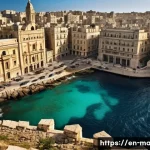
Then there’s Valletta, the capital, a UNESCO World Heritage Site in its own right, practically bursting with Baroque palaces and churches built by the Knights of St.
John. I remember spending an entire afternoon just wandering through St. John’s Co-Cathedral, jaw practically on the floor at the opulent interior and Caravaggio’s masterpiece.
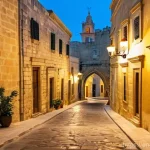
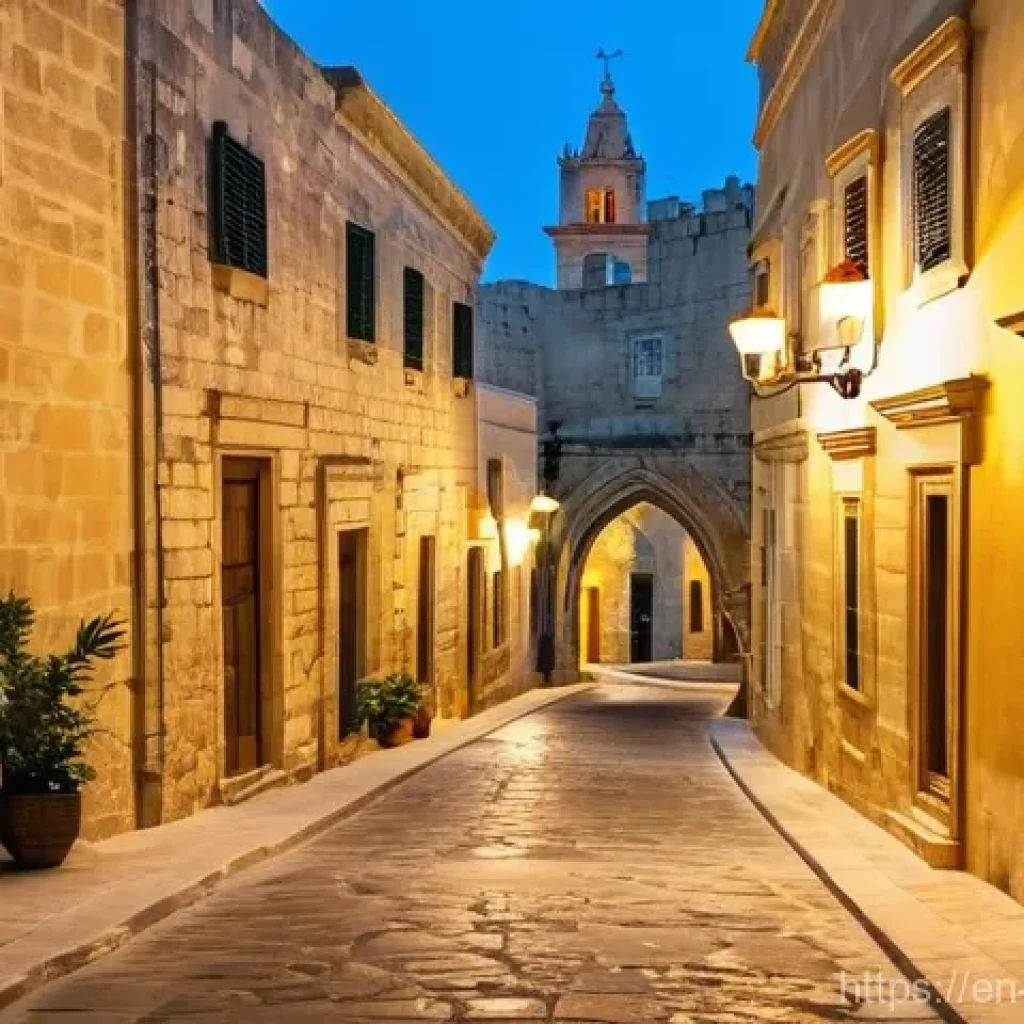
And don’t even get me started on Mdina, the “Silent City.” Walking through its narrow, winding streets at dusk, when the golden light bathes the ancient walls, feels like a scene straight out of a medieval movie.
No cars are allowed, which just amplifies that serene, timeless feeling. It’s a truly unique experience, one that speaks volumes about the island’s strategic importance and the diverse cultures that have left their mark.
From Phoenicians to Romans, Arabs to Normans, and of course, the Knights, Malta has seen it all, and the evidence is gloriously preserved everywhere you look.
Greek Islands: Mythical Ruins and Classical Grandeur
Now, if your heart yearns for the cradle of Western civilization, then the Greek Islands will absolutely steal your breath away. While Malta offers a concentrated dose of history, Greece presents it on a grander, more mythological scale.
Each island often holds its own archaeological treasures. Take Crete, for example, with the Minoan Palace of Knossos, a place that just oozes with legends of labyrinths and minotaurs.
Or Rhodes, where you can walk through the medieval Old Town, a UNESCO site, and imagine crusading knights once patrolling those very walls. You won’t find prehistoric temples quite like Malta’s, but the sheer volume and iconic nature of Greek ruins are unparalleled.
Think about the Acropolis of Lindos on Rhodes, perched high above the sparkling Aegean, or the ancient theater of Epidaurus on the mainland (though I know we’re talking islands here, the mainland influences are strong!).
What I love about exploring these sites in Greece is the way they’re often integrated with the stunning natural landscape, offering incredible vistas alongside the historical insights.
It’s not just about what you see, but the feeling of standing where democracy and philosophy were born, surrounded by that quintessential Aegean beauty.
Coastal Wonders: Sun, Sand, and Seclusion
Malta’s Rocky Charms and Azure Lagoons
When I first heard about Malta’s beaches, I pictured endless stretches of golden sand, like some of its Mediterranean neighbors. But what I discovered was something wonderfully different and, dare I say, even more captivating!
While sandy beaches like Golden Bay and Mellieħa Bay are certainly lovely and great for families, Malta’s coastline is primarily rugged and dramatic, carved by the sea into incredible coves and unique swimming spots.
My absolute favorite has to be the Blue Lagoon on Comino. I mean, the water there is just unreal – that vibrant, almost electric periwinkle blue is etched into my memory.
Yes, it gets crowded, especially in peak season, but if you go early morning or later in the afternoon, you can truly soak in its magic. I usually combine it with a boat trip to explore the nearby Crystal Lagoon or even some of the hidden sea caves.
Then there’s St. Peter’s Pool, a natural swimming pool where you can literally leap off the flat rocks into perfectly clear water. It’s less about lounging on soft sand and more about exhilarating swims and exploring incredible underwater worlds, as Malta is renowned for its diving and snorkeling.
Greek Island Beaches: Iconic Landscapes and Party Shores
Now, the Greek Islands, they truly deliver on that classic Mediterranean beach fantasy. From the iconic white cliffs of Myrtos Beach in Kefalonia, a sight that still makes my heart skip a beat, to the famous Shipwreck Beach (Navagio) in Zakynthos, these islands have beaches that are postcard-perfect.
What’s fascinating is the sheer variety. You have the volcanic red and black sands of Santorini, which are so unique and dramatic, creating a stunning contrast with the azure sea.
Then there are the party beaches of Mykonos, like Paradise and Super Paradise, where the music pumps all day and night. I’ve had some unforgettable times dancing there under the sun!
But if you’re looking for tranquility, you can easily find secluded coves on islands like Naxos or Paros, or even on the less crowded sides of Mykonos.
The Greek islands cater to every beach mood, from family-friendly shores with shallow waters to remote spots accessible only by boat, offering endless opportunities for swimming, sunbathing, and simply enjoying the breathtaking coastal scenery.
A Taste of the Mediterranean: Culinary Delights
Malta’s Flavors: A Fusion of Histories
Prepare your taste buds for a treat in Malta, because the food scene here is a delightful reflection of its diverse history. It’s a true melting pot of Mediterranean, North African, and even British influences, creating a unique culinary identity that you won’t find anywhere else.
My absolute go-to snack, hands down, has to be a ‘pastizz’. These little flaky pastries, filled with either ricotta cheese or mushy peas, are addictive and available everywhere.
I swear, I could live on them! For a heartier meal, you absolutely *must* try ‘Stuffat tal-Fenek’, the national dish, which is a slow-cooked rabbit stew.
The meat just falls off the bone in a rich, flavorful tomato, garlic, and red wine sauce – it’s pure comfort food. Being an island, fresh seafood is also a given.
I’ve enjoyed ‘Aljotta’, a traditional fish soup, countless times, often made with the local Lampuki (mahi-mahi). Don’t forget to try ‘Ftira’, a local sourdough bread, often served as a delicious sandwich or an open-faced pizza-like meal, especially good on Gozo.
And for drinks? The local soft drink Kinnie, with its bitter orange and herb notes, is incredibly refreshing.
Greek Gastronomy: Simple, Fresh, and Flavorful
Oh, Greek food! Just thinking about it makes my stomach rumble. It’s all about fresh, high-quality ingredients, often simply prepared, letting the natural flavors shine through.
Every meal feels like a celebration, especially when shared in a lively taverna by the sea. You know, you can never go wrong with a classic ‘Souvlaki’ or ‘Gyros’, especially after a long day of exploring.
But the true magic lies in the mezzes – those small plates perfect for sharing. I always make sure to order ‘Tzatziki’ (that cool, refreshing yogurt and cucumber dip), ‘Saganaki’ (fried cheese – yes, please!), and a fresh ‘Horiatiki Salata’ (Greek salad) with the most incredible olives and feta.
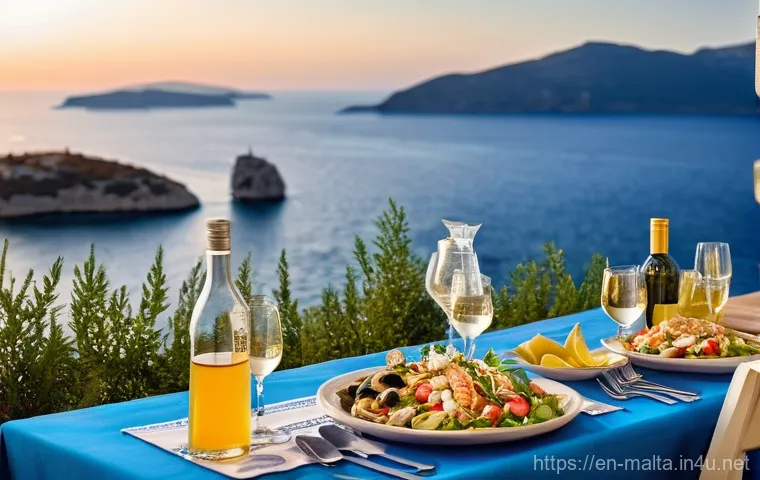
And the seafood? Unbeatable! Grilled octopus or fresh fish, often caught that very morning, simply drizzled with olive oil and lemon.
Every bite is pure sunshine. And of course, no Greek meal is complete without a glass of local wine or a shot of Ouzo. The culinary experience on the Greek Islands is truly about savoring moments, flavors, and the warmth of Greek hospitality.
Beyond the Postcard: Culture and Connection
Malta’s Melange of Traditions
Malta’s culture is this incredible tapestry woven from centuries of different influences, and it’s something I find absolutely fascinating to delve into.
You can feel the echoes of its past rulers – from the Knights of St. John to the British, and even earlier Arab and Spanish connections – in everything from the architecture to the language and the local customs.
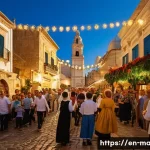
One thing that always stands out to me are the ‘festas’. Every village has a patron saint, and when it’s their saint’s day, they throw an epic celebration with processions, live music, fireworks that light up the night sky, and of course, amazing food.
It’s a real community affair, and if you happen to be there during a ‘festa’, you absolutely have to experience it. I remember one summer being swept up in the festivities in a small Gozitan village; the energy was infectious!
Then there’s ‘Il-Għana’, the traditional Maltese folk singing, which sometimes takes the form of improvised, poetic duels. It’s uniquely Maltese and incredibly soulful.
You’ll also see traditional fishing boats called ‘luzzu’ with painted eyes on their bows, a practice believed to ward off evil spirits. These little details, these deep-rooted traditions, are what give Malta its incredibly distinct character.
Greek Island Life: Rhythms and Rituals
The culture of the Greek Islands, for me, is deeply intertwined with a sense of community, hospitality, and a slower, more deliberate pace of life. It’s something that instantly calms my soul when I arrive.
While each island has its unique flair, there’s a common thread of warmth and tradition that runs through them all. Family is paramount, and you’ll often see multiple generations gathered together, whether it’s for a casual meal or a big celebration.
Religion also plays a huge role, with Easter being an even more significant celebration than Christmas. You might stumble upon a local ‘panigiri’, which is a village festival celebrating a saint, often featuring traditional music, dancing, and plenty of delicious food and wine.
These events are incredibly vibrant and a fantastic way to experience authentic local life. I always make an effort to seek out a ‘kafenion’ (traditional coffee house), often a male-dominated space, to just sit, sip a Greek coffee, and watch the world go by.
The concept of ‘filoxenia’ (hospitality) is deeply ingrained, and I’ve been met with such genuine kindness and generosity from locals during my travels.
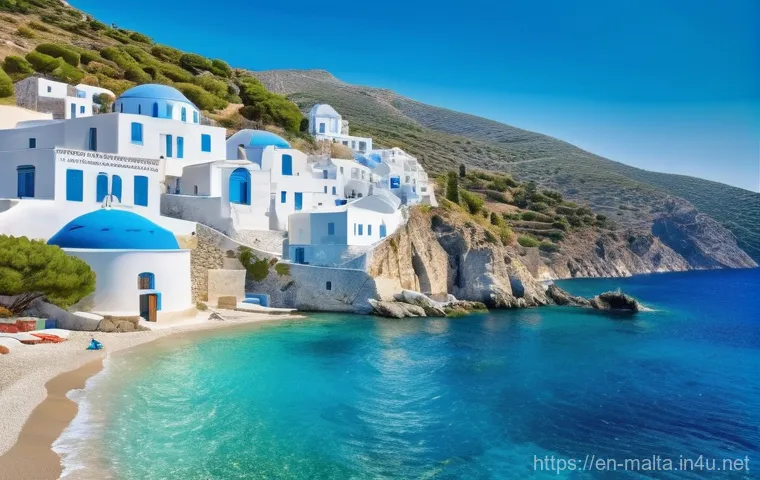
From the language itself, with its rich history, to the distinctive architecture of whitewashed houses and blue domes in the Cyclades, Greek culture is simply captivating and constantly inviting.
Adventure Awaits: Exploring Beyond the Obvious
Malta: Diving, Hiking, and Ancient Pathways
If you’re anything like me, you love a bit of adventure mixed in with your relaxation, and Malta absolutely delivers! While the historical sites are captivating, there’s so much more to discover, especially for the active traveler.
First off, Malta is consistently ranked as one of Europe’s best diving destinations. The underwater world here is truly spectacular, with ancient wrecks, stunning caves, and vibrant marine life.
I’ve had some unforgettable dives exploring the Blue Hole in Gozo – it’s a natural swimming pool that descends into incredible rock formations. But even if diving isn’t your thing, the snorkeling in the crystal-clear waters is world-class.
Above ground, Malta’s hilly landscape makes it fantastic for hiking, especially during the cooler months. You can trek along dramatic coastal cliffs, like from Dingli Cliffs to Wied iż-Żurrieq, and be rewarded with breathtaking panoramic views.
Or perhaps you’d enjoy rock climbing? The coastal cliffs offer some amazing opportunities for climbers of all levels. And don’t forget exploring the lesser-known, hidden beaches like Fomm ir-Riħ or Imgiebah Bay, which often require a bit of a trek but promise serenity and stunning scenery.
Greek Islands: Sailing, Trekking, and Watersports Galore
The Greek Islands are practically synonymous with adventure, especially when it comes to anything involving the sea. Island hopping itself is an adventure, each ferry ride carrying you to a new paradise!
Sailing is, in my opinion, one of the best ways to experience the islands. Imagine chartering a small boat and discovering secluded coves and hidden beaches that are otherwise inaccessible.
It’s an unparalleled sense of freedom. Beyond sailing, watersports are huge here. You can find everything from windsurfing and kitesurfing, especially on islands known for their breezes like Paros and Naxos, to kayaking, paddleboarding, and jet-skiing in the more popular resorts.
For those who love to explore on foot, many islands offer incredible hiking trails. Crete, being the largest, has some phenomenal gorges, like Samaria Gorge, that are challenging but incredibly rewarding.
Even smaller islands offer picturesque paths that lead you through olive groves, past ancient ruins, and to stunning viewpoints. And let’s not forget the sheer joy of just exploring a new island on a quad bike or scooter, feeling the wind in your hair as you discover charming villages and breathtaking landscapes.
The possibilities for adventure across the Greek Islands feel limitless!
Nightlife & Entertainment: When the Sun Goes Down
Malta’s Lively Nights: From Clubs to Coastal Charm
When the sun dips below the horizon in Malta, the islands truly come alive with a vibrant energy that can surprise you! If you’re looking to dance the night away, Paceville in St.
Julian’s is absolutely the place to be. It’s the heart of Malta’s nightlife, packed with clubs, bars, and late-night eateries catering to a young, energetic crowd.
I’ve had some wild nights there, moving from one club playing commercial hits to another spinning R&B, or even finding a salsa bar. It’s a full-on party zone, and it gets pretty busy, especially on weekends and during the summer.
But Malta’s nightlife isn’t just about high-energy clubs. For a more sophisticated vibe, Valletta offers stylish cocktail bars and cozy wine bars, often set against the backdrop of stunning historic architecture.
I particularly love the jazz sessions at Bridge Bar in Valletta – imagine sitting on steps outside, enjoying live music with a drink, under the city lights.
In the summer, open-air clubs in areas like Rabat, such as Gianpula Village, become incredibly popular, hosting international DJs and themed events under the stars.
Even Gozo, Malta’s smaller sister island, has unique spots like La Grotta, a nightclub set in a natural cave. There’s truly something for every mood here.
Greek Island Parties: Glamour, Backpacker Havens, and Taverna Tunes
The Greek Islands are legendary for their nightlife, offering a spectrum of experiences from ultra-glamorous party hotspots to more laid-back, traditional evenings.
If you’re seeking that high-energy, celebrity-spotting kind of party, Mykonos is the undisputed queen. Its beach clubs like Paradise and Super Paradise are famous worldwide, with international DJs spinning tracks from day to night.
I’ve spent unforgettable nights at Cavo Paradiso, an open-air club perched on a cliff with insane views – it’s a must-do if you’re into dance music. For backpackers and a younger, more budget-friendly party scene, Ios is your go-to.
Think lively bars, vibrant clubs, and unforgettable sunset beach parties at places like Far Out Beach Club. But it’s not all wild parties. Many islands, even Mykonos itself, have charming spots for a more relaxed evening.
Picture a waterfront taverna, sipping local wine or ouzo, enjoying delicious food and perhaps some live Greek music. Islands like Santorini offer incredibly chic rooftop bars for sunset cocktails, perfect for a romantic evening.
Even on larger islands like Crete and Rhodes, you’ll find a blend – from the rowdy strips in places like Malia to sophisticated jazz clubs in historic towns.
The beauty of Greek island nightlife is its diversity; you can tailor your evenings to exactly the vibe you’re looking for.
Practicalities & Planning: Navigating Your Island Escape
Malta: Compact, Connected, and Convenient
One of the things I truly appreciate about Malta is its compact size. It makes getting around incredibly easy, which can save you a lot of time and hassle when you’re on vacation.
You can literally drive from one end of the main island to the other in less than an hour, and an efficient bus system connects most major towns and attractions.
If you’re staying in Valletta or St. Julian’s, walking is often the best way to get around the immediate area. For exploring Gozo and Comino, regular ferries are readily available, making day trips a breeze.
This accessibility means you can see a lot in a shorter amount of time without feeling rushed. In terms of currency, Malta uses the Euro, making it straightforward for most European and international travelers.
The cost of living and travel in Malta tends to be moderate; generally, it’s considered a bit more affordable than some of the more upscale Greek Islands, offering good value for your money.
I’ve found that you can easily enjoy excellent meals and experiences without breaking the bank, especially if you embrace local eateries and public transport.
Greek Islands: The Art of Island Hopping
Planning a trip to the Greek Islands, especially if you want to visit multiple, requires a slightly different approach – it’s all about embracing the art of island hopping!
While there are domestic flights between some of the larger islands, ferries are the lifeblood of travel here. This means you’ll need to factor in ferry schedules and travel times, which can sometimes be subject to weather or seasonal changes.
Booking ferries in advance, especially during peak season, is always a smart move. The sheer number of islands, each with its own character, means you can truly tailor your trip to your preferences, but it does require a bit more logistical planning.
In terms of cost, the Greek Islands can vary widely. Places like Mykonos and Santorini are definitely on the pricier side, especially for luxury accommodation and high-end experiences.
However, you can absolutely find budget-friendly options on many other islands, or by opting for local tavernas and guesthouses. Like Malta, Greece also uses the Euro.
While daily living costs can be slightly lower than Malta, the expense of inter-island transportation can add up, so it’s worth budgeting for that. The reward, though, is experiencing the incredible diversity of the Aegean or Ionian Sea, from volcanic landscapes to lush green hills, bustling towns to serene fishing villages.
| Feature | Malta | Greek Islands |
|---|---|---|
| Historical Focus | Ancient Megalithic Temples, Knights of St. John, Roman, Punic, Arab influences. Concentrated history. | Classical Greek, Byzantine, Roman, Venetian, Ottoman influences. Widespread mythological and archaeological sites. |
| Beach Type | Mainly rocky coves, dramatic cliffs, some sandy beaches (Golden Bay, Mellieħa), famous Blue Lagoon. | Diverse: iconic white pebble (Myrtos), volcanic black/red sand (Santorini), golden sand (Naxos, Mykonos), party beaches. |
| Cuisine Profile | Mediterranean fusion with strong Sicilian, North African, and British influences. Hearty stews (rabbit), pastizzi, fresh seafood. | Classic Mediterranean: fresh, simple, flavorful. Souvlaki, gyros, mezze, olive oil, seafood. Strong emphasis on local produce. |
| Cultural Vibe | Rich blend of traditions, strong village ‘festas’, unique folk singing (Għana), community-focused. | Emphasis on community, hospitality (filoxenia), diverse regional traditions, religious festivals (panigiria), vibrant café culture. |
| Top Adventures | World-class diving/snorkeling, cliffside hiking, exploring Gozo/Comino, historical tours. | Island hopping, sailing, wide range of watersports, extensive hiking (gorges), exploring diverse landscapes. |
| Nightlife Scene | Paceville (St. Julian’s) for energetic clubbing, Valletta for sophisticated bars, summer open-air clubs. | Mykonos for glamorous parties, Ios for budget-friendly youth parties, diverse options from quiet tavernas to major clubs. |
| Travel Logistics | Compact, easy to navigate by bus/car, short ferry trips to sister islands. | Requires more planning for inter-island ferries/flights, offers vast diversity but needs logistical consideration. |
Wrapping Up
And there you have it, fellow travelers! Our whirlwind journey through the timeless wonders of Malta and the enchanting Greek Islands comes to a close. As you can see, both destinations offer an absolutely incredible blend of history, stunning natural beauty, mouth-watering cuisine, and vibrant cultures. The choice really boils down to what kind of adventure speaks to your soul right now – whether it’s Malta’s concentrated, ancient charm or the sprawling, diverse grandeur of the Greek archipelago. Either way, you’re in for an unforgettable Mediterranean escape!
Good to Know Info
1. Best Time to Visit: From my own experience, the shoulder seasons – late spring (April-May) and early autumn (September-October) – are truly magical for both Malta and the Greek Islands. The weather is absolutely gorgeous, warm enough for swimming and sunbathing without the scorching heat of July and August, and the crowds are noticeably thinner. This means you can explore ancient ruins in comfort, find a peaceful spot on those famous beaches, and generally enjoy a more authentic local experience. Plus, you might even snag better deals on flights and accommodation! Summer (June-August) is fantastic if you’re all about the vibrant nightlife and bustling atmosphere, but be prepared for higher temperatures and more people. Conversely, winter can be surprisingly charming for historical exploration and milder hikes, though many tourist-focused businesses might be closed, especially on the smaller Greek Islands.
2. Currency and Budgeting: Both Malta and the Greek Islands use the Euro (€), which makes things incredibly straightforward for travelers from other Eurozone countries. When it comes to your budget, I’ve found Malta generally offers excellent value for money. You can find delicious, affordable local eateries and public transport is quite efficient and cost-effective. The Greek Islands, however, can vary significantly. While you can certainly find budget-friendly options on many islands or by opting for local tavernas, popular destinations like Mykonos and Santorini tend to be on the pricier side, especially for luxury accommodations and high-end experiences. It’s always a good idea to research specific island prices beforehand and factor in inter-island ferry costs for Greece, which can add up.
3. Language Basics & Communication: In Malta, English is an official language alongside Maltese, so you’ll find it incredibly easy to communicate with almost everyone. This often makes navigating and interacting with locals a breeze, which I really appreciate when I’m trying to soak in the culture without a language barrier. In the Greek Islands, while Greek is the national language, English is widely spoken in all tourist areas, hotels, restaurants, and shops. However, learning a few basic Greek phrases like “Kalimera” (good morning), “Efharisto” (thank you), and “Parakalo” (please/you’re welcome) will always be met with a warm smile and can genuinely enhance your interactions with locals, showing respect for their culture. It’s a little effort that goes a long way!
4. Getting Around Like a Local: Malta’s compact size means getting around is super easy and efficient. The public bus system covers almost the entire island and is a very affordable way to explore. I’ve often just hopped on a bus and let it take me to unexpected charming villages. Renting a car gives you more flexibility, but remember they drive on the left! For Gozo and Comino, the ferries are frequent and reliable. In Greece, island hopping is the name of the game, and ferries are your best friend. There are various companies offering routes between islands, ranging from slow, budget-friendly options to faster hydrofoils. For getting around individual islands, renting a scooter, ATV, or a small car is popular, especially for exploring hidden coves. Just be mindful of the winding roads and different driving styles!
5. Embracing Local Customs & Culture: To truly enrich your trip, I always recommend diving into the local customs. In Malta, if you’re there during a ‘festa’ (village feast), absolutely join in! The vibrant processions, music, and fireworks are an unforgettable experience and a huge part of Maltese community life. In the Greek Islands, the concept of ‘filoxenia’ (hospitality) is deeply ingrained. Don’t be surprised if locals are incredibly warm and generous. Take time to sit at a ‘kafenion’ (traditional coffee shop), especially in a small village, and simply observe local life. Participating in a local ‘panigiri’ (religious festival) is another fantastic way to experience authentic Greek culture, often involving traditional music, dancing, and delicious food. These moments of genuine connection are often the most memorable parts of any journey.
Key Takeaways
When weighing your options for that dream Mediterranean getaway, remember that while both Malta and the Greek Islands promise sun-drenched beauty and ancient wonders, they offer distinctly different flavors. Malta delivers a highly concentrated dose of history, from its megalithic temples predating the pyramids to the grand legacy of the Knights of St. John, all packed into an easily navigable, compact archipelago. It’s perfect for those who love a rugged coastline, exceptional diving, and a unique cultural fusion.
Conversely, the Greek Islands unfold across a vast, diverse canvas, offering an unparalleled experience of classical antiquity, from the Acropolis to countless mythical ruins scattered across breathtaking landscapes. Here, the adventure is often in the journey itself, with endless island-hopping possibilities, a huge variety of iconic beaches catering to every mood, and a culinary tradition built on fresh, simple flavors and warm hospitality. Your perfect island escape truly depends on whether you seek a focused historical deep-dive or a grand, sprawling exploration of ancient lands and azure seas.
Frequently Asked Questions (FAQ) 📖
Q: I’m a huge history buff, but my partner really wants beautiful beaches and a lively atmosphere. Which island destination strikes the best balance for us?
A: Oh, this is such a classic travel dilemma, and honestly, both Malta and the Greek Islands offer incredible experiences, but they cater to slightly different cravings!
If history is your absolute passion, Malta might just be your personal paradise. I remember wandering through the ancient streets of Valletta, a UNESCO World Heritage site, and feeling completely transported back in time.
The prehistoric temples of Ggantija, which are actually older than Stonehenge, will absolutely blow your mind! Then there are the medieval wonders of Mdina, a silent city where every corner whispers tales of knights and ancient civilizations.
You can easily immerse yourself in millennia of history, all within a compact area, making it perfect for focused exploration. Now, for your partner’s love of beaches and a lively vibe, the Greek Islands definitely shine with a wider array of options.
While Malta has lovely beaches like Golden Bay and the stunning Blue Lagoon in Comino, the sheer diversity of Greek island beaches is hard to beat. Think black volcanic sands in Santorini, pristine white stretches in Zakynthos, or secluded coves only accessible by boat.
And when it comes to a lively atmosphere, islands like Mykonos or Ios are legendary for their vibrant nightlife, bustling beach clubs, and energetic towns that buzz until the early hours.
Even Santorini, while romantic, has a lovely buzz around sunset in Oia, a truly iconic experience. My personal take is that Greece offers more distinct choices for nightlife and endless beach variety, while Malta delivers an unparalleled, concentrated historical immersion.
So, if you’re leaning more towards history with beautiful coastal spots, Malta is fantastic, but if the lively beach scene is paramount, the Greek Islands give you more opportunities to find that perfect party island or serene beach escape.
Q: What’s the general vibe like in Malta compared to the Greek Islands? Will I feel more like a local or a tourist?
A: That’s a fantastic question because the “vibe” really shapes your entire trip, doesn’t it? From my own adventures, I can tell you that Malta feels incredibly unique and almost like a living museum, while the Greek Islands offer a quintessential Mediterranean dream, but with vast diversity.
In Malta, I personally felt a profound sense of history in every stone. The culture is a fascinating blend of Sicilian, North African, and British influences, creating a truly distinct identity.
English is an official language, which I found incredibly helpful for feeling at home and connecting with locals. The pace of life can feel a bit more relaxed, especially in the smaller towns and on Gozo, Malta’s sister island.
When you’re strolling through a village festa with fireworks lighting up the sky, celebrating a patron saint, you feel like you’re tapping into something truly authentic and deeply rooted.
It’s a place where you can easily strike up conversations and feel a part of the local rhythm, even as a visitor. The Greek Islands, on the other hand, offer a kaleidoscope of vibes.
Each island, from what I’ve experienced, has its own distinct personality. Santorini offers romantic elegance with those famous caldera views, while Mykonos is all about chic parties and beautiful people.
Crete feels more rustic and self-sufficient, a world unto itself. What ties them together is that iconic blue-and-white aesthetic, the delicious olive oil-drenched cuisine, and the warm, welcoming Greek hospitality.
I’ve found that on the more popular islands, you’ll definitely feel more like a tourist, especially in peak season. But if you venture to lesser-known islands or even explore the villages in the interior of the more famous ones, you can absolutely find those moments of genuine connection, savoring a meal at a local taverna and feeling a bit more immersed in local life.
It really depends on your choice of island; Greece offers a spectrum from heavily tourist-oriented to wonderfully authentic.
Q: I’m trying to stick to a budget for my Mediterranean getaway. Which destination offers better value for money, considering accommodation, food, and getting around?
A: Ah, the ever-important budget question! I’ve been there, trying to stretch every Euro while still having an amazing time, and this is where the differences between Malta and the Greek Islands can really add up.
From my travels and chatting with fellow explorers, Malta generally offers good value, especially when you consider its compact size. Accommodation, particularly outside of the super-peak summer months, can be quite reasonable, and I’ve found that local eateries serve up hearty, delicious Maltese dishes that won’t break the bank.
Getting around Malta is also incredibly easy and affordable. The public bus system is efficient and covers most of the island, and given its small size, you won’t spend a fortune on internal transportation, whether by bus or a rental car.
You can pack a lot into your itinerary without long, costly transfers, which really helps keep the overall trip cost down. The Greek Islands are a bit more of a mixed bag, to be honest.
While you can certainly find budget-friendly options, especially on less famous islands or during the shoulder seasons, destinations like Santorini and Mykonos can be notoriously expensive, from luxury hotels to fine dining.
I remember seeing prices in Oia that made my jaw drop! Food on the more popular islands can range from affordable gyros to pricey seafood. Where Greece can really add up is in the logistics, particularly if you dream of island hopping.
Ferry tickets or domestic flights between islands can significantly increase your transportation costs, and these fares can fluctuate a lot. So, while Greece offers incredible diversity, achieving a budget-friendly trip often requires careful planning, choosing your islands wisely, and possibly limiting your island hopping.
If you’re looking for a simpler, generally more predictable budget, Malta often comes out ahead in overall value.