Ever found yourself wandering through cobblestone streets, the Mediterranean sun warming your skin, and a desire to take home a piece of the magic you’ve experienced?
That’s Malta for me. Beyond the azure waters and ancient history, Malta hides a treasure trove of traditional crafts, each telling a story of generations past.
From delicate lacework to vibrant pottery, these aren’t just souvenirs; they’re pieces of Maltese soul. I remember on my first trip I was so captivated by the intricacy of the glass blowing that I spent hours watching the artisans at work, feeling a real connection to the culture.
What are the must-have crafts to bring home? Let’s delve into the heart of Maltese craftsmanship in the paragraphs below.
Here’s the continuation of the blog post, focusing on the must-have crafts to bring home from Malta:
Discovering the Art of Maltese Lace
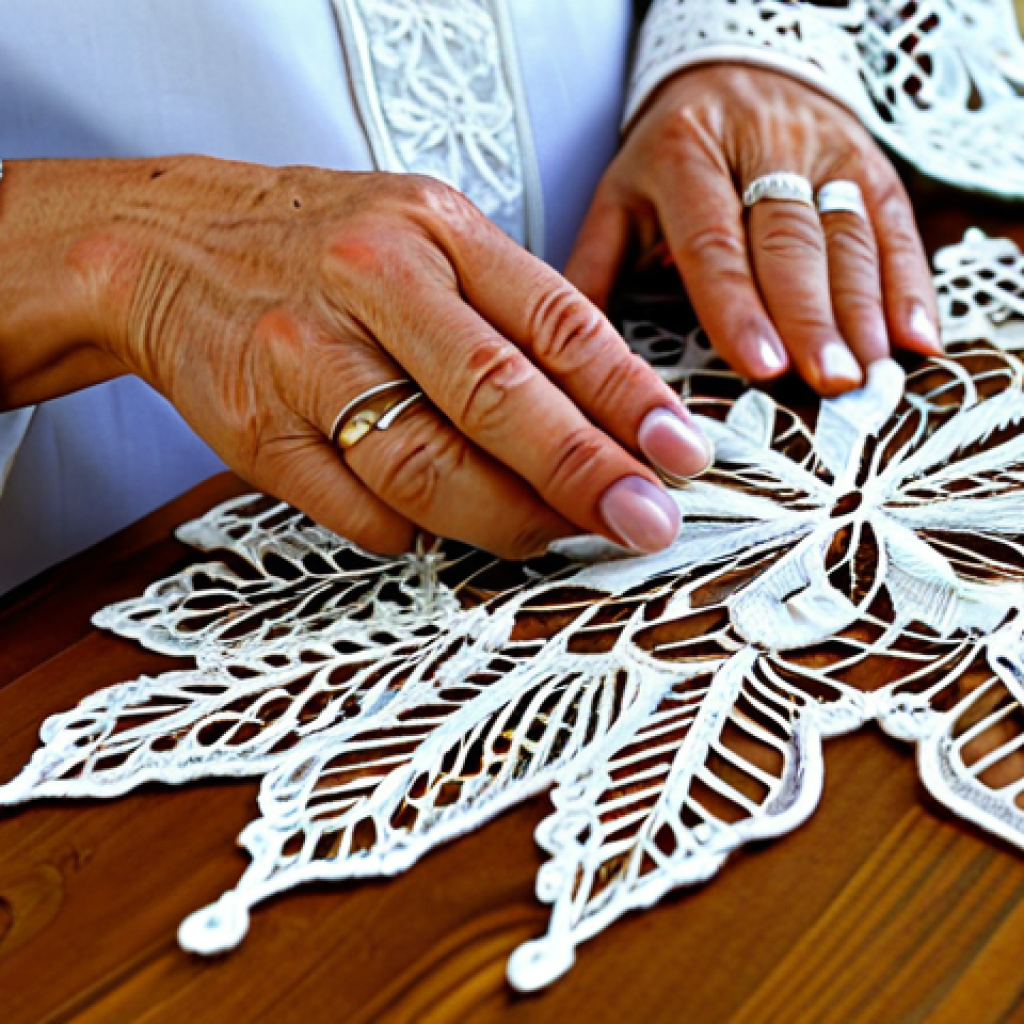
Maltese lace, or *Bizzilla*, isn’t just lace; it’s a testament to patience and artistry. Imagine the dedication it takes to weave intricate patterns, often featuring the Maltese cross, using nothing but fine thread and nimble fingers.
I remember watching a lacemaker in Gozo, her hands moving with a speed and precision that was mesmerizing. She told me stories passed down through generations, each stitch a connection to her ancestors.
I was particularly captivated by the geometrical structure that are reflected in the Maltese cross. Beyond the geometrical designs, I was drawn to the detailed floral patterns often embedded in the lacework.
These designs, she explained, weren’t just decorative; they were symbolic, each flower representing a different aspect of Maltese life and history. To purchase a small piece of it is akin to owning a slice of Maltese history.
Finding Authentic Lacemakers
To ensure you’re acquiring a genuine piece of Maltese lace, steer clear of mass-produced imitations. Look for shops and artisan studios, especially in Gozo, that proudly display the “handmade” label.
Ask questions about the process, the materials used, and the history of the piece. Engage with the artisans themselves; they’re often eager to share their knowledge and passion.
I recall one specific workshop in Victoria, Gozo, where the lacemakers explained the different techniques and regional styles of lace, making the purchase even more meaningful.
I found the interaction to be invaluable.
Incorporating Lace into Your Life
Don’t think of Maltese lace as something to be stored away in a drawer. Frame a small doily and hang it on your wall. Use a larger piece as a tablecloth or runner.
Embellish clothing or accessories with lace appliques. The possibilities are endless. I personally adore using lace to accent plain cushions or even repurposing it into delicate jewelry pieces.
It’s all about finding creative ways to incorporate this beautiful craft into your everyday life, constantly reminding you of your time in Malta.
The Allure of Maltese Glass
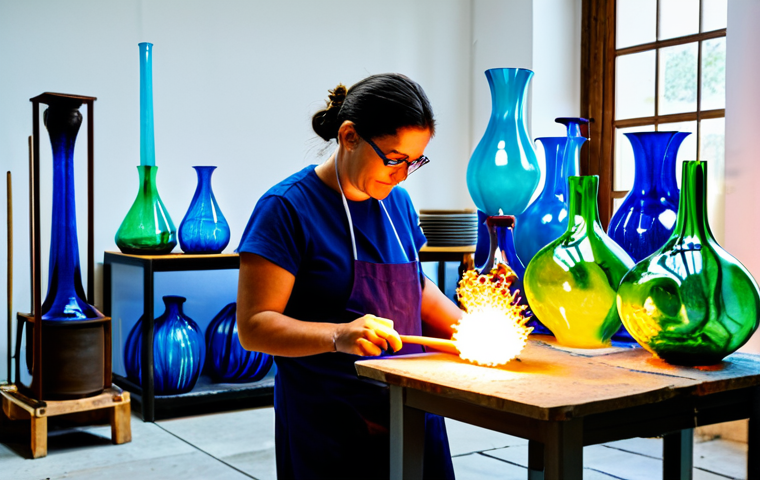
Maltese glass is an explosion of color and creativity, born from the fires of skilled artisans. Unlike mass-produced glass, each piece is unique, showcasing swirls, bubbles, and imperfections that speak to its handmade nature.
I’ve visited several glassblowing workshops, and the sheer artistry involved is breathtaking. It felt like watching the artists weave magic. The way the molten glass transformed into elegant vases, playful figurines, and intricate ornaments was truly captivating.
I’ve always been particularly intrigued by the use of vibrant blues and greens, reminiscent of the Maltese sea and landscape. Each hue seems to capture a different aspect of the island’s beauty.
Visiting a Glassblowing Workshop
Seek out a glassblowing workshop where you can witness the magic firsthand. Many workshops offer demonstrations and even hands-on experiences, allowing you to try your hand at shaping molten glass.
The most famous is Mdina Glass, but there are smaller, family-run businesses that offer a more intimate experience. The key is to see the artisans at work, feel the heat of the furnace, and understand the skill and dedication that goes into each piece.
Choosing Your Glass Souvenir
When selecting your glass souvenir, consider its color, shape, and purpose. A vibrant vase can brighten up any room, while a delicate glass ornament can add a touch of Maltese charm to your Christmas tree.
Don’t be afraid to choose pieces with imperfections; they’re a sign of authenticity. I remember one trip where I was torn between two vases. One was perfectly symmetrical, while the other had a slight bubble trapped within the glass.
I went with the latter. Its unique character has made it a cherished item in my home.
Maltese Pottery: Earthy Tones and Timeless Designs
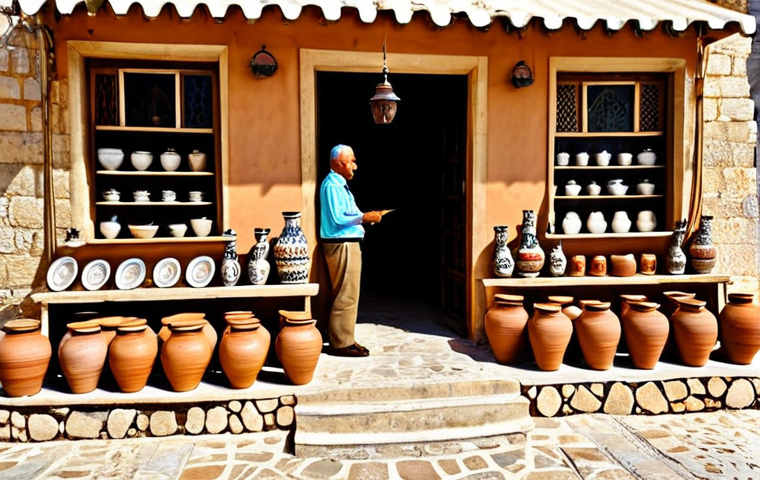
Maltese pottery is a celebration of the island’s natural resources, transformed into functional and decorative pieces. Characterized by earthy tones, rustic textures, and traditional designs, Maltese pottery reflects the island’s connection to the land.
From intricately painted plates to robust storage jars, each piece tells a story of practicality and artistry. I recall visiting a pottery studio in Ta’ Qali Crafts Village.
I saw artisans shaping clay on a spinning wheel, their hands molding the earth into beautiful forms. The entire process was amazing. The smell of the clay, the rhythmic spinning of the wheel, and the anticipation of the final product created a sensory experience that was so rich.
Identifying Authentic Maltese Pottery
Look for pottery that’s made from locally sourced clay and decorated with traditional Maltese motifs. These motifs often include images of local flora and fauna, as well as geometric patterns inspired by ancient Maltese architecture.
Be wary of pottery that’s too perfect or mass-produced; authentic Maltese pottery will have slight variations in color and texture, adding to its charm.
I also noticed that authentic pieces often have a stamp or signature from the artisan, a mark of their craftsmanship.
Functional and Decorative Uses for Pottery
Maltese pottery isn’t just for display; it’s meant to be used and enjoyed. Use a hand-painted plate to serve your favorite dish. Store olive oil or vinegar in a traditional Maltese jar.
Plant herbs in a terracotta pot. The possibilities are endless. I personally love using Maltese pottery to serve appetizers during parties.
The rustic charm of the pottery adds a touch of authenticity to the occasion.
Filigree: The Art of Delicate Metalwork
Filigree is a delicate form of metalwork where fine threads of gold or silver are intricately woven together to create elaborate designs. Maltese filigree is renowned for its precision and elegance, often incorporating floral motifs and the Maltese cross.
The art of filigree in Malta has been passed down through generations, each artisan adding their own unique flair to the traditional techniques.
Spotting Authentic Filigree
Authentic Maltese filigree will be crafted from high-quality precious metals and will showcase intricate detailing. Look for pieces that are finely worked and free from imperfections.
Also, consider the design; traditional Maltese filigree often incorporates Maltese symbols and motifs, reflecting the island’s unique cultural heritage.
I was told by a jeweler that the weight of the piece is a good indicator of its quality. High-quality filigree will have a substantial weight, indicating the use of genuine precious metals.
Wearing and Caring for Filigree Jewelry
Filigree jewelry is a timeless and elegant accessory that can add a touch of Maltese charm to any outfit. To care for your filigree jewelry, store it in a soft pouch to protect it from scratches and avoid exposing it to harsh chemicals or extreme temperatures.
With proper care, your filigree jewelry will remain a cherished reminder of your time in Malta for years to come.
A Comparison of Maltese Crafts
Here’s a table summarizing the key features of each craft:
| Craft | Material | Key Features | Typical Uses | Where to Find |
|---|---|---|---|---|
| Maltese Lace | Fine Thread | Intricate Patterns, Maltese Cross | Tablecloths, Doilies, Clothing Embellishments | Gozo, Artisan Studios |
| Maltese Glass | Molten Glass | Vibrant Colors, Unique Shapes, Handmade Imperfections | Vases, Ornaments, Sculptures | Mdina Glass, Ta’ Qali Crafts Village |
| Maltese Pottery | Local Clay | Earthy Tones, Traditional Motifs, Rustic Textures | Plates, Jars, Pots | Ta’ Qali Crafts Village, Marsaxlokk Market |
| Maltese Filigree | Gold or Silver | Delicate Metalwork, Intricate Designs | Jewelry, Decorative Items | Valletta Jewelry Shops, Artisan Workshops |
The Charm of Maltese Honey and Sweets
While not strictly a “craft,” Maltese honey and traditional sweets are culinary treasures that reflect the island’s natural bounty and cultural heritage.
The unique flavor of Maltese honey comes from the diverse flora that bees forage on, including wild thyme and citrus blossoms. Traditional sweets, such as *imqaret* (date-filled pastries) and *perlini* (sugared almonds), are delicious treats that are perfect for bringing home a taste of Malta.
I had a pleasure to take a beekeeping tour in Mellieha. The local beekeeper explained the meticulous process of harvesting honey and how the various flowers contribute to the final honey product.
Sourcing Local Honey and Sweets
Seek out local honey producers and confectionery shops that use traditional recipes and ingredients. Look for honey that’s raw and unfiltered, retaining its natural flavor and health benefits.
When buying sweets, ask about the ingredients and preparation methods to ensure you’re getting an authentic product. Farmers’ markets and local village shops are excellent places to find genuine Maltese honey and sweets.
Enjoying Maltese Flavors at Home
Use Maltese honey to sweeten your tea, drizzle over yogurt, or spread on toast. Serve *imqaret* with a scoop of vanilla ice cream or enjoy *perlini* as a sweet snack.
These culinary souvenirs will transport you back to Malta with every bite. I personally enjoy using Maltese honey as a marinade for grilled chicken or salmon.
The honey’s unique flavor adds a distinctive touch to the dish.
Handmade Soaps: Natural Scents of the Island
Another delightful souvenir to bring home is handmade soap infused with natural scents of the Maltese islands. These soaps are crafted with local ingredients like olive oil, honey, and herbs, offering a gentle and aromatic cleansing experience.
From the refreshing scent of citrus to the calming aroma of lavender, each soap captures a different essence of Malta. I stumbled upon a small soap-making workshop in Rabat.
The artisan explained the process of cold-process soap making and how the natural ingredients are carefully selected to create nourishing and fragrant soaps.
Choosing Natural and Locally Made Soaps
Look for soaps that are made with natural ingredients and free from harsh chemicals and synthetic fragrances. Check the label for ingredients like olive oil, honey, and essential oils derived from local plants.
Support local artisans by purchasing soaps from small workshops and markets. These soaps not only cleanse your skin but also provide a sensory reminder of your time in Malta.
I always look for soaps that are packaged in eco-friendly materials, such as recycled paper or biodegradable wrappers.
Bringing Malta Home: A Lasting Reminder
As you pack your bags, filled with exquisite lace, vibrant glass, earthy pottery, delicate filigree, and the sweet taste of local honey, remember that you’re not just taking home souvenirs. You’re carrying fragments of Maltese history, culture, and artistry. These crafts are more than just objects; they’re tangible reminders of the warmth, beauty, and unique spirit of this captivating island. May they continue to evoke fond memories and inspire you long after you’ve returned home.
Good to Know
1. Bargaining: While not as common as in some countries, it’s acceptable to politely try to negotiate prices, especially when buying multiple items directly from artisans or at markets.
2. Currency: Malta uses the Euro (€). Credit cards are widely accepted, but it’s always a good idea to have some cash on hand for smaller shops and markets.
3. VAT Refund: Non-EU residents may be eligible for a VAT refund on purchases over a certain amount. Inquire at the point of purchase and retain your receipts.
4. Shipping: If you find yourself buying more than you can carry, many shops offer international shipping. Be sure to inquire about rates and delivery times.
5. Festivals: Check the local event calendar for craft fairs and festivals. These events offer a great opportunity to discover unique items and meet local artisans.
Key Takeaways
When sourcing Maltese crafts, prioritize authenticity by buying directly from artisans or reputable shops. Look for unique, handmade items that reflect the island’s culture and natural resources. Remember to ask questions about the materials, techniques, and history behind each piece. Finally, choose items that resonate with you personally and that you’ll cherish as reminders of your time in Malta.
Frequently Asked Questions (FAQ) 📖
Q: I’m not really into touristy stuff.
A: re these Maltese crafts authentic, or are they mostly made for the tourist trade? A1: That’s a valid concern! While you’ll definitely find some mass-produced souvenirs aimed at tourists, the true heart of Maltese craftsmanship lies in the workshops of local artisans.
I’ve been lucky enough to visit a few, and believe me, the passion and dedication are real. Look for the “Made in Malta” label, which is a good indicator of authenticity.
Also, venturing a bit off the beaten path – into smaller villages – often leads you to the most genuine and unique pieces. Don’t be afraid to ask where something was made; the artisans are usually very proud to share their stories!
Think of it like hunting for that perfect vinyl record in a dusty old shop – the reward is well worth the effort.
Q: I love the idea of bringing home a piece of Maltese culture, but how practical are these crafts? I don’t want something that will just sit on a shelf gathering dust.
A: Totally understand that sentiment! Nobody wants a dust collector. The beauty of Maltese crafts is that many are both beautiful and functional.
For instance, the hand-blown glass isn’t just pretty; you can find stunning bowls, vases, and even everyday drinking glasses. The lace, while delicate, can be used to adorn clothing, table linens, or even framed as art.
And let’s not forget the pottery! From colorful serving dishes to charming olive oil dispensers, you can easily incorporate these pieces into your daily life.
I bought a gorgeous hand-painted ceramic platter on my last trip, and it’s become my go-to for serving appetizers – a constant reminder of my Maltese adventure every time I use it.
Q: I’m flying on a budget airline with strict baggage restrictions.
A: re these crafts fragile or bulky? I’m worried about them breaking or taking up too much space. A3: That’s a smart thing to consider!
Some crafts, like the glass and pottery, definitely require a bit of extra care. My advice would be to check if the shop offers shipping – many do, and it can be surprisingly affordable.
If you’re set on bringing things back yourself, pack them very carefully! Use bubble wrap (ask the shop if they have some), and nestle them amongst soft clothing in your suitcase.
The lace is light and easy to pack, and smaller pottery pieces can often be tucked into shoes or hats. As for bulky items, you might have to make some tough choices!
I once had to choose between a beautiful ceramic serving bowl and an extra pair of shoes… the bowl won, obviously! But in all seriousness, plan your purchases accordingly and prioritize the items that mean the most to you.
A well-packed suitcase is a happy suitcase!
📚 References
Wikipedia Encyclopedia
구글 검색 결과
구글 검색 결과
구글 검색 결과
구글 검색 결과
구글 검색 결과